Once again it is my honour to contribute a reflection to the ‘monk in the world’ blog of the Abbey of the Arts. This piece was first published on May 15, 2024 (although it was written in May 2023).
all words and images by Kate Kennington Steer
I arrived at February 2023 in a post-viral fatigue fug, feeling beset by depression, with my ‘tank’ utterly depleted. Thanks to the Abbey of the Arts scholarship scheme, I was able to join a group of monks making a Lent pilgrimage online, exploring what it might mean to make ‘A Different Kind of Fast’, led by our Abbess and a wonderful, multi-disciplinary team Each week ended with an invitation to practice a creative act of integration and reflection. At the end of week two, Christine’s ‘creative ritual’ encouraged us to make an earth mandala. I live with chronic illness so although I wasn’t well enough to go for a contemplative walk/wheel, I could make a semi-circle of seven steps from my studio door. I had moved to a new house in the summer of 2022, and I was still very much dreaming about what my frost-bound English garden might become, but I was staggered to collect the (previously unseen) objects which form this mandala. To find so many expressions of ‘here’, ’home’, and ‘gift’, which previous inhabitants or visitors had left for me to find, and within such a small area, was (literally) eye-opening. During the course of Holy Week, as I sat in turn with different elements from the mandala, I was drawn to the stones repeatedly, and in particular, to the painted stone which had been half-buried, dropped down the side of a raised bed. As I sat touching and looking at its’ curves, edges and facets I found a vision which led to a painting; and as I sat on, words and phrases for a poem arrived.
In this stone, already such a vivid symbol of ‘enough’, (one of the recurring themes of the retreat, and synchronistically, my word for this year), time and space, past and future, met in order to become embodied, enfleshed in me: in me being here in this place, at this time, to host, as well as hold in trust for, whoever will come to my door, old and young, strangers and angels alike. From being depleted and depressed, the ‘simple’ act of holding a stone allowed Spirit to open a universe to me: a universe full of abundant Grace; a universe where resurrection is happening all around me but also – crucially – within me; where the soil itself is my waiting and willing partner in the acts of radical hospitality and co-creation I hope are to come.
5/6.4.23
‘hold’
a child played here – when?
in geologic time just now,
before I arrived
other, smaller, hands made crayon or paints
scrawl marks on a large pebble,
an unlikely native inhabitant of this Surrey soil,
probably an outcast displaced from a distant shore,
a migrant adorned with outlandish colours
not easily found in late English Winter grey,
nor yet even in early Spring, just past the equinox,
I meant to write this in September 2023, but it is now February 2024. I am recovering from a reanimation of the chest infection I caught before Christmas, but it has wiped out this month. I am attempting not to fight the bouts of vertigo and dizziness which sideswipe me, even as I sit perfectly still and peaceful in bed, since I know that these are symptoms of another of the residual viruses that live in the gunk at the bottom of my energy tank; since I know that these symptoms are big red warning signs from a body already depleted and under stress.
Today, I am grieving because I feel I have written very little for months – and certainly not with the vigour and certainty that produced ‘The Bright Well’ as a long poem last summer. When the first infection hit at the end of September, I had just made a film to present to DAiSy (Disability Arts in Surrey, who gave me a bursary to enable me to focus on my artistic development whilst I was in the open studio at the New Ashgate Gallery, Farnham, August-September 2023). I was also just beginning to draft the opening poems of another sequence called ‘here’ (working title), which may or may not end up being a second part of the ‘The Bright Well’, although perhaps they are the beginning of another long poem or a loose collection on similar themes (of wellbeing and the built environment). They begin:
and so she sat on.
exhausted beyond strength
of speech; body given into the draining away
of all that is vibrant; her stare left as a lazy vacancy;
heavy head aching with the sound of blood leaping
to attune itself to electric vibrations out there
in the ether between these four walls,
until the repetitious
rhythm of leaping and repulsion bores a steady hole
through drum into skull to set up its demi-semi-quavers
there, so bone resonates with the cross-currents
bounced from bone, ripples clashing in the reverberating,
a restless echo seeking itself – endlessly.
(from ‘here iii (27.9.23)’ Kate Kennington Steer)
However, back to back infections all through the autumn soon took there toll on my ability to ‘sit with’ myself in poetic terms. They also meant I missed several sessions of my zoom community writing group, Scribblers Aloud. This group normally allows me to feel that I am at least regularly stretching out my writing limbs once a week; today those feel well and truly atrophied.
Of course, that feeling does not entirely reflect reality. Although I have missed zoom sessions, I am (more than theoretically) taking part in a collaborative Haiku sound installation between the Scribblers and students from the University of the Creative Arts for the Farnham Literary Festival in March. I can follow the syllabic rules of this ancient Japanese form (17 in total laid out across three lines 5-7-5), but I struggle to deliver the Kareji (the ‘cutting word’ placed at the end of the second line), as well as the kigo (a word that refers to a season of the natural world in either the first or third line), and remain in the present tense, with a concrete image in each line. Alongside all these rules of form, the overarching theme is ‘origin’, a word I played a great part in choosing, but now, on my own with a befogged and dizzy head I struggle to come up with anything that makes any sense or has an honest impact:
“Benedictine”
“Invitation”
both reassurance and a powerful command: now begin again.
will you sit with me? I need to tell my story. stay present with me.
“First Sight”
“Calling”
looking in your eyes stripped before my gaze, naked, the divine winks back.
in death as in life, rest beside resurrection: do not be afraid.
Together, these words might make a half decent poem I suppose, but really they reflect the book I’ve been reading as part of my morning ‘study’ time over the last month, Liuan Huska’s Hurting yet Whole; reconciling body and spirit in chronic pain and illness. I was impressed by some of the Disability theology and theory that Huska presented, which is a field I didn’t know had evolved from Liberation theology’s roots, and I look forward to reading around this area.
Huska’s book only confirmed in me the strong desire to spend longer pondering how the Incarnation, the idea of a vulnerable God, and the needs of my body, might provide ways I can live out a calling from where I am, in this present, rather than saying ‘when I am well I will..’ or even, ‘when I’m a bit better I can…’. Wanting to live a fully embodied life, present to all the gifts and opportunities that, by grace, are all around me all the time, is a long-term goal. I know it has been too easy for me, for most of my life, to live entirely in my head, dissociated from pain and sickness and heartache – mine and everybody else’s. The bright-+/well project is about joining those dots (see footnote):
wells both gush and dry. fill
and empty. in any case, they normally
need to be dug.
in the subaqueous lightwell
murkwell – cast by green umbrellas
already spread through the morning’s
cypress shadow, I sit, considering
a way out, a passage through,
which can only ever mean downward
work, if I am to excavate another fragment
of clogged bedrock; if I am to accept
the discomfort of exposed disturbances
peculiarly necessary to the act of the welling up;
(from The Bright Well i, Kate Kennington Steer)
I want to ‘frolic with sky’, even when my eyes seem cloaked and distanced by brain fog, even on grey, heavy, drizzling days where the light does not seem to be able to lift either itself or my spirit. And I am more than ever aware that this is not a solitary pursuit – wellbeing cannot be achieved by force of an individual will. Nor are there shortcuts. My bedrock may be ‘clogged’, but it is also porous, entangled and weathered, all terms which mean I am not separate from you, I am not separate from your pain. I need to grieve my losses, but equally, I need to join with you in lament about your losses.
Lament is the action of ‘crying out’ anger, sorrow, frustration, injustice loudly and publicly and communally. Not speaking about my loss, not sharing my pain story only further isolates me. For all those who may deride me, there also will be those who need to say, ‘Yes, I recognise that. I am not/you are not alone.’
Part of the work of ‘digging’ for wellness, then, is about bringing forth the dark, ugly underbelly of the real. Then, in the discomfort of exposing my shame and guilt, to realise I can be helped by another who has been there before me and has hard-won wisdom to offer, providing I will open myself to the accept the invitation: that opportunity to listen to one who knows how it is to be where I am. And so in my turn, as Huska notes, I am called to the ministry of deepening pain as well as relieving it. She quotes Henri Nouwen (who famously wrote at length about being a wounded healer himself) :
’… ministry is a very confrontational service. It does not allow people to live with illusions of immortality and wholeness. It keeps reminding others that they are mortal and broken, but also that with the recognition of this condition, liberation starts.’ (Hurting Yet Whole, 190)
I am not whole, far from it; and yet neither are you. I feel weak and I have no energy to dig today. Except, I have just written this without planning to, so perhaps this feeble scrape at today’s mud, might just be enough to allow me to reach out my hand and find yours as you flounder in your own murk and muck?
Perhaps then this is the action of Grace. Perhaps then this is the hope that threads me together today: that you will take over, make your own scrape and deepen the well a little for us both this day.
… when is a well a mere utilitarian hole
in the earth, soil flung heavenward,
liquid commingling with communal need?
when a direct exploratory bore, scientifically
shot down the eons to the centre of the spinward
sphere? and when do steep sides become encircled,
encased, faced in cobble and brick, edged,
shored and shelved to pave the narrow Way
to elsewhere?
from which shall I drink
to discover the precious elixir of life that will permit
my being to be whole, if I cannot be well
when the blanks in my brain gape but let
not light in but give mud space to seep,
leach and infiltrate, and so taint the blinding
tears already swallowed so deep that at those
junctures where underbelly watercourses meet,
earthjuice can only bulge and swell, and misshapen,
rise, ever rise until my being is gross, sodden
and saturated, flooded but with no hope of a surface
breach to provide relief from built pressure,
to gift me release into an everlasting freedom
where fresh finally transfigures the dank murk –
which? …
(from The Bright Well iv, Kate Kennington Steer)
footnote:
the bright -+/well project:
I am experimenting with ways to combine, layer and merge photography, painting, printing and poetry around four main themes:
how a single space/place changes through time;
how the people of each era leave their vestigial marks on the landscape;
how the act of building an urban environment affects the well-being of those whose labour crafts our homes, shops, offices;
as well as how the finished built environment affects the wellbeing of those who live in, work at, or visit to, that place.
I am exploring these themes with reference to a single place: a new town-centre, mixed commercial and residential development by Crest Nicholson PLC, named BrightWells Yard in Farnham, which has a Grade II listed Georgian house called BrightWell at its heart, in which I used to work in 1998, when it formed a part of the Redgrave Theatre.
(This is the third instalment of ‘well or w/hole?’, and it might (?!) make more sense if you read the other two instalments first. You can find them on the Blog Feed.)
Let’s follow the water…
One line of research around the bright-+/well project led me to think about the ‘well’ in the name BrightWell (see footnote). I am indebted to Neil Moss and his colleagues from the Bourne Conservation Group, who answered some of my questions about the history of wells in Farnham.
BrightWell House sits about a quarter of a mile north of the River Wey, slightly up the chalk Downland. It lies to the southeast of Farnham Castle and Farnham Deer Park which have dominated this part of the North Downs ridge since the seventh century. On the opposite bank of the River Wey, the steep, permeable sandstone hills mean that the water table is particularly deep below the surface. So when wells were dug they had to be dug deep. The first Vicarage of The Bourne (this part of South Farnham, named after the Bourne Stream which is a major tributary of the River Wey) on Vicarage Hill, built in the 1860s, had a well of depth 45m, but apparently this still ran dry and had to be deepened. I can’t quite imagine the engineering effort that must have taken.
Neil Moss told me:
Until the coming of piped water the people of Farnham south of the Wey (in The Bourne etc) needed wells because the water table in the sandstone rocks is very deep. They could have deep wells or, if they could not afford one of those, a “bottle well” which was effectively a chamber in the garden that collected rain. water from the roof. There are several of both types still around: eg the old Bourne Vicarage on Vicarage Hill has a well in the garden and the old Stream Farm House next to the Fox Pub has one. There are also a few bottle wells.
Near the Wey, the water table was only just below the surface so people did not need a deep well, only a sort of scrape. This led to all sorts of outbreaks of disease in the town in the nineteenth century.
Even the Wheelwrights shop described in his book by George Sturt (very close to Brightwell’s) did not have a regular water supply. They had to go next door to get water.
The conduit from the castle kindly provided by one of the Bishops fed into a “reservoir” under the present Nationwide Building Society Office. From there it was pumped up by a hand pump. There was a similar pump Bear Lane [just north of BrightWell House] and quite recently another was discovered in a building in Lion and Lamb Yard. That can now be seen at the Rural Life Museum.
I want to chase down several of Neil’s references, and I also want to talk to someone at South East Water about the history of water supply to houses like BrightWell in the 1790s. Ideally, I want to see old maps and diagrams (which I love, and I always work best with visual illustration). I also have questions for the site managers of Crest Nicholson’s new development BrightWells Yard, to ask what they discovered when they were doing the ground works, if they discovered any springs, ditches or streams, and if they have any historic documentary evidence about the site’s water supply. (I also would love someone to explain to me how you plan water infrastructure for a development of this size). I want to see if I can get more specific information about the historic water-supply along East Street in Farnham, and the land on which BrightWell’s Yard now sits. So many questions!
Yet even without a specific historical anchor, from the beginning of working on this project, I have felt there is something in the name bright-+/well which makes me think of holy wells. This raises all sorts of questions about how humans have made elements of the land ‘sacred’ through time; about how the genius loci, or ‘spirit of a place’, develops a local reputation; and what happens to that ‘spirit’ if one radically changes its’ orientation or usage.
Is there a holy well at Brightwell-cum-Sotwell? And, if this is the village that inspired the choice of a name for a house over a century ago, and if a holy well is present there, does an element of that sacred usage persist in the name when it is transferred to a new place? Or is BrightWell just a name someone liked to call a house, based on where their grandfather might have been born, which has no meaning beyond the familial memory?
According to David Nash Ford’s Royal History of Berkshire, there may be several water-stories and sacred-stories connected with BrightWell-cum-Sotwell:
You cannot see the join between these two villages today but, in Saxon times, they were a little distance apart. Since that time, they have always been separate parishes and Brightwell is actually split in two by Sotwell running through the middle. The name of the greater neighbour was originally Beorht-Wille which may have meant ‘Bertha’s Spring’. Bertha was the Saxon Goddess of sacred springs and the Moon, indicating this was a sacred pagan area. A more boring interpretation is ‘bright spring’. It was sometimes called West Brightwell or Brightwell Episcopi to differentiate it from Brightwell Baldwin in Oxfordshire. Sotwell may mean ‘South Town Spring’. Mackney, the southern portion of the parishes, means ‘Macca’s Island’. So the springs must have created a number of streams which cut this area off from the rest.
The Roman road from Silchester to Dorchester-on-Thames passed through the parish down Mackney Lane. The ford where this road crossed the River Thames is one of the traditional sites of the baptism, by St. Birinus, of King Cynegils of Wessex and a large proportion of his Court, in the presence of King Oswald of Northumbria. It was mostly a political rather than a devotional act, for Cynegils wished to forge an alliance with the Christian King Oswald. The latter would only agree, however, if Cynegils would give up his pagan ways and marry Oswald’s daughter. St. Birinus’ arrival on the scene was merely opportune. King Cynegils gave Dorchester to Birinus so he could build himself a church (or cathedral) within the old Roman walls. These were the beginnings of the See of Wessex. Birinus became its first Bishop and remained so until his death in AD 649. His shrine at Dorchester became a great place of pilgrimage, but controversy later arose when the Bishop moved his seat to Winchester and claimed to have taken the body of Birinus with him.
As ever, all this leaves me with more questions than answers, or even approaches to answers, about the interconnections between holiness and a sacred use of certain sites, which are often focussed on water. But, aside from historical and intellectual curiosity, one question persists in me as a spiritual reality for my own life:
for someone who feels neither well nor holy, what is a holy wellness? Or a ‘well’ holiness?
And when I turn to thinking about the spirituality of wellbeing and the relationships between bodies and buildings, could the placement of a well in a particular place, at a moment in time, provide some suggestive strategies for our modern need to create in our built environment specific places in which wellness is actively sought: body, mind and spirit?
The bright-+/well project is allowing me to have all sorts of conversations with people who are serious about living these nuances.
(could this be what’s left of a luminous holy/wholly well?)
footnote:
the bright -+/well project:
I am experimenting with ways to combine, layer and merge photography, painting, printing and poetry around four main themes:
how a single space/place changes through time;
how the people of each era leave their vestigial marks on the landscape;
how the act of building an urban environment affects the well-being of those whose labour crafts our homes, shops, offices;
as well as how the finished built environment affects the wellbeing of those who live in, work at, or visit to, that place.
I am exploring these themes with reference to a single place: a new town-centre, mixed commercial and residential development by Crest Nicholson PLC, named BrightWells Yard in Farnham, which has a Grade II listed Georgian house called BrightWell at its heart, in which I used to work in 1998, when it formed a part of the Redgrave Theatre.
For as long as I can remember, I have been fascinated by the idea of essence: that there is a core, a kernel, a seed, a heart, a soul, which functions as a (potentially discoverable) centre of meaning in every object or person, subject, idea or experience. This fascination persists, even though I have adopted all kinds of intellectual theories along the way about how meaning is made, changed and multiplied; or for that matter, how the GodSelf defies being deconstructed into a disappearing infinity.
Although ‘visible’ work on the bright-+/wellproject has been in a prolonged hiatus due to four and a half months of back-to-back viruses, a regular check-in with my original vision kept confirming a kind of excited urgency at what I and the local community might do together to unearth whatever meanings might underlie this place. (see footnote)
I want to interrogate the names that the people who have lived and worked and visited here for centuries, have given to the land and its distinguishing features. This goes beyond the Shakespearian question ‘what’s in a name?’ (Romeo and Juliet (II.ii)), since I’m trying to peel back the layers of history lying behind and between words and place, and/or names and people. Through combinations of poetry, photography, printing and painting I want to connect how and why we name places, and how the names we use shape the very land and the ways we use it – and so, in turn, we too are shaped.
Take for example, how the name BrightWell – given in 1905 to a grade II listed house built in the 1790s – is suggestive to an architect in 2023 as they interpret (shape/meet) the needs of people and place. The name ‘BrightWell’s Yard’ allows the architect to conjure up a neologistically-imagined ideal: it configures the new with a design nod to the old, projecting an aspirational mode of living, but arguably, one without more than a fleeting consideration for sustainability and developmental impact on the local, if not global, landscape. As a result, BrightWells Yard runs the danger of being a mixed residential and commercial site which is out of date before it is even fully finished being built. So how can this place be luminous or refreshing or even, as the ‘Yard’ suggests, lightly industrious and honestly creative?
It is easy to be cynical. It is too easy to conjure up Crest Nicholson PLC as the big bad developer, or indeed to see BrightWells Yard as a classic example of bad corporate design. Instead, I want to uncover so that I can discover, and perhaps, recover, what meanings this area of town may have lost, when generations, driven by the desire for commercial gain, have been hastily tearing down the seemingly ugly, unloved or unuseful, in order to rebuild the seemingly purposeful in its place.
There were times last summer where I felt I was bit like a ‘lone voice in the wilderness’, trying to invite developers, designers, residents, workers and visitors alike to come visit me in my open studio, so that person by person, brick by brick or tile by tile, connections can be made; so that a community might be gathered together to imbue this new iteration of a place, ‘BrightWell’s Yard’, with positivity and vision.
My vision for this place? It’s about the well and the hole in the ground, about the wellness and the wholeness. It’s intensely personal and completely communal. It’s a holistic, imaginative daydream for social, political, spiritual and environmental justice.
In part i of this post I wrote:
“In my fanciful terms, the combination of these derivations and usages
means that wellbeing comes to mean something like
an abundantly rising, bubbling, source of healing to be drawn upon, which makes one whole.
And if that source is available in this place,
then what meanings do the various usages of the word ‘bright’ add?”
I am so honoured that the bright-+/well project is allowing me to have all sorts of conversations with people who are serious about living these nuances.
Next time, let’s follow the water …
the difference between wellness
and wholeness is not mere semantics.
it is to ask how you will allow
healing to happen in you –
what it is you expect of your cells.
wells both gush and dry. fill
and empty. in any case, they normally
need to be dug.
.
in the subaqueous lightwell
– murkwell – cast by green umbrellas
already spread through the morning’s
cypress shadow, I sit, considering
a way out, a passage through,
which can only ever mean downward
work, if I am to excavate another fragment
of clogged bedrock; if I am to accept
the discomfort of exposed disturbances
peculiarly necessary to the act of the welling up;
if I am to feel the streaked pain and loose pulse
as my essential lifejuice rushes through silt,
eager to frolic again with sky.
for those who do care
for land and lilt and life alike, let the words come
thick and strong and oozing; a mortar to spread through,
sink under, squeeze, surround and soak up the spaces,
those pockets where grief lives deep; condense
the tears together; and let the joining
be the healing.
footnote: the bright -+/well project:
I am experimenting with ways to combine, layer and merge photography, painting, printing and poetry around four main themes:
how a single space/place changes through time;
how the people of each era leave their vestigial marks on the landscape;
how the act of building an urban environment affects the well-being of those whose labour crafts our homes, shops, offices;
as well as how the finished built environment affects the wellbeing of those who live in, work at, or visit to, that place.
I am exploring these themes with reference to a single place: a new town-centre, mixed commercial and residential development by Crest Nicholson PLC, named BrightWells Yard in Farnham, which has a Grade II listed Georgian house called BrightWell at its heart, in which I used to work in 1998, when it formed a part of the Redgrave Theatre.
Throughout my time as artist in residence at the New Ashgate Gallery in Farnham (see footnote) in August and September, this poem, (written in mid-July as I was beginning my research), faced visitors as they entered my open studio (above). It makes clear the themes which I continue to unravel as a disabled artist, and my love of word-play shines through particularly. My ongoing project, which I have called
‘bright -+/well’
offers a lot of scope for such meandering mutterings about meaning. When seen in a large font on the wall, this name works as a thought provoking device for visitors, whether they are residents of Farnham, and familiar with the years of controversy surrounding the site, or not.
Yet what meanings are changed – or offered? – when the two words are both joined and split up by a dash (or is it a minus sign?); a plus sign (or a shorthand for ‘and’?); with a slash, a dividing device which says ‘either/or’ in binary terms, (or a joining device which says ‘both/and’ in inclusive terms)? How I read these punctuation marks depends on the experiences I bring to them, coupled with my willingness to stay open to all the possible meanings that they might signify for others. Word-play is not just an intellectual delight for me, it is a spiritual necessity, a discipline and a challenge.
An example of this is the way that wholeness and wellness are separated and interlinked throughout the long poem I am writing, tentatively called ‘the bright well’ (of which the above poem will form a section). Wellbeing is a term used to talk abut the health of the whole person: body, mind, spirit. As someone who lives with a chronic health condition, I have learnt at my cost that these three cannot be split whenever one is talking about wellness of the body, the mid or the spirit. For, even at the level of linguistic heritage, there is an integral link between wholeness and holiness if one looks at the derivation of these words in the English language.
Whole
as an adjective is derived from the Old English word hal meaning “entire; unhurt, uninjured, safe; healthy, sound; genuine, straightforward,” which in turn is derived from the Proto-Germanic *haila– meaning “undamaged” (source also of Old Saxon hel, Old Norse heill, Old High German heil meaning “salvation, welfare”).
Health
as a noun is derived from a similar set of linguistic associations, from Old English hælþ meaning “wholeness, a being whole, sound or well,” from Proto-Germanic *hailitho, (source also of Old English hal, “hale, whole;” Old Norse heill “healthy;” Old English halig, Old Norse helge “holy, sacred;” Old English hælan “to heal”). With these same root-words it is not hard to see how Middle English usage saw the rise of the idea that ‘to heal’ someone was also ‘to whole’ someone.
Well
as an adverb comes from the Old English word wel, meaning “abundantly, very, very much; indeed, to be sure; with good reason; nearly, for the most part,”. The derivation of the verb
to well
in English, meaning ”to spring, rise, gush,” from the Old English wiellan, and “to boil, bubble up, rise” from Proto-Germanic *wellanan, meaning“to roll”.
A well,
meaning a “hole dug for water, spring of water,” comes from the Old English wielle (West Saxon), welle (Anglian) “spring of water, fountain,” from wiellan (as above). “As soon as a spring begins to be utilized as a source of water-supply it is more or less thoroughly transformed into a well” [Century Dictionary], which then becomes the figurative sense of “source from which anything is drawn” in Middle English.
In my fanciful terms, the combination of these derivations and usages means that wellbeing comes to mean something like an abundantly rising, bubbling, source of healing to be drawn upon, which makes one whole. And if that source is available in this place, then what meanings do the various usages of the word ‘bright’ add?
This is all ‘thinking out loud’ (since I often write to find out what I think), trying to find a working definition which will be refined as I do more research into the specific site which is under the new development and write more exploratory segments of ‘the bright well’. All this work has it roots which stretch back into conversations I have been having with neuropsychiatrists at the Maudsley Hospital, London, since 1991 and my insistence that if I can’t be well, I can at least, with sufficient soulwork, be whole. The built environment which surrounds me, the places I inhabit, can either help or hinder this direction of soultravel.
footnote:
the bright -+/well project:
Arising from work made during my residency at the New Ashgate Gallery in the summer of 2023, I am experimenting with ways to combine, layer and merge photography, painting, printing and poetry around four main themes:
how a single space/place changes through time;
how the people of each era leave their vestigial marks on the landscape;
how the act of building an urban environment affects the well-being of those whose labour crafts our homes, shops, offices;
as well as how the finished built environment affects the wellbeing of those who live in, work at, or visit to, that place.
I am exploring these themes with reference to a single place: a new town-centre, mixed commercial and residential development by Crest Nicholson PLC, named BrightWells Yard in Farnham, which has a Grade II listed Georgian house called BrightWell at its heart, in which I used to work in 1998, when it formed a part of the Redgrave Theatre.
I have now begun my artist residency at the New Ashgate Gallery, Farnham, in earnest. This week was moving-in week, a big enough challenge in itself. It also coincided with me having the honour of staging a ‘take over’ of the Gallery’s Instagram feed while the director, Outi Remes, was on holiday. Outi wanted me to introduce myself and my project to their 6000+ followers. Gulp. Suddenly it was time to take another opportunity seriously, and step out of my own shadow.
Ever since I started my first blog (shotatenpaces.blogspot.com) I’ve tried to write as if everyone, and no one, was listening. I have learnt to write with a bit more vulnerability and honesty about letting Spirit take my work – in word or image – where She will. It may be only one person ever reads or sees it, but I presume that will be the person who needs to receive something which, at that moment, I might be able to give. I try not to write as if I’m ‘hanging it all out there’ for the world to see in a bout of narcissistic, navel-gazing confession. Yet I’m also trying to check myself from curating an online version of a ‘Kate’ who is not ‘real’.
I want to be a curious writer who says, ‘this is how it is with me in this now; how is it with you?’ I want to be someone who says how messy and painful and gritty and bloody it is to live with chronic illness and clinical depression; and to be the one who says, ‘and yet …’
(image courtesy of Dawn Cozens. All other images by Kate Kennington Steer)
So today I need to explore some old wounds that I’m not aware of having looked at properly for at least a decade. I’ve written a poem about them this morning, and I might quote a bit of it as I go on this afternoon, (or not), but I need to declare that I am not a dispassionate observer (if there is ever such a thing) when it comes to looking at the BrightWell’s Yard development in central Farnham (the focus of my residency work). Investigating these old wounds means bringing all of the 50+ Kate to listen, with as much compassion as she can muster, to the under 30 Kate who was Education Director at the Redgrave Theatre, Farnham in 1997, and whose office was upstairs in BrightWell house (the eponymous centre of the new development).
That Kate was made redundant from a job she absolutely loved so that the commercial redevelopment of that part of Farnham could take place, which included closing the theatre and knocking it down. That Kate had tried to launch a bid with local partners to reopen the Redgrave as a regional centre for all things Youth Creatives might need to develop their skills. That Kate was told she was too late, the land deal had already been done. That Kate then had to watch as BrightWell and The Redgrave Theatre buildings just then sat there for twenty years, unused apart from a becoming a homeless shelter during a couple of particularly bitter winters. That Kate worked really hard to try to move on, but it was the beginning of the end of her involvement in professional theatre, theatre education, and any paid employment.
I realise as I write that paragraph that I’ve never allowed myself to mourn the extent of that loss of identity which involvement in professional theatre gave me. Over the years I was a costume designer, a production designer, an assistant director, a dramaturge, a director, a workshop leader, a lecturer, a writer, a curriculum developer, an external examiner, an event planner. I didn’t really care how I was involved with the making of theatre, I just believed in the transformational power of the ‘live’ interaction that happens between actors and audience when we are together in one space to tell, and to listen to, each other stories. That is theatre’s essence – always has been, always will be. I wanted to be a part of it, any way I could.
So before, during and after being Education Director at the Redgrave I would be a follow-spot operator, a lighting technician, a stage-manager, a quick-change dresser, a wardrobe mistress, a producer, and a costume-maker. I missed being a part of a professional company, with its sudden, peculiarly intimate, intense dynamic which builds during a rehearsal period, transmutes in the performance period, then produces a sudden drop of adrenalin to accompany the feelings of loss as the run finishes and the ‘family’ disperses to wherever the next job might take them – to do the whole thing all over again without you.
When I have thought about those days, memories are normally attached to the string of disastrous romantic relationships I had, before illness made even that impossible. The Kate who was involved in those was running as far and fast away from her TrueSelf as she could, and inevitably, she failed to make any meaningful lasting connections, to find someone who would love and value the ‘real’ her.
And all of this came to a crashing stop when my body called a halt, and said, ‘no more’, in 2003. I stopped subscribing to The Stage because I couldn’t bear to see all the jobs I couldn’t do, all the projects I wasn’t a part of, to read reviews of pieces my friends and colleagues had gone onto. I stopped writing a one-woman show. I couldn’t turn my PhD in theatre history into a book. It felt like every avenue I tried was refused to me. It felt like every part of me was of no use to anyone. I loathed who I was and how I was. I no longer wanted to live.
So this is the Kate I have sitting next to me as I look at lines in my sketchbook, glance up at the wall in front of me and lift my camera to see what I can see. This is BrightWell house as it is now. It is no longer a theatre. It is no longer my office. It is designated to become a restaurant. This is me as I am now. Not an Educator or a Director, not ‘merely’ a writer, photographer or visual artist. This is a Kate whose TrueSelf is without Title, who just knows she has to create in order to live.
My history may be just one layer of matter making this wall. But I’m there.
so I swallow and follow the grace
of a curve until it meets the acute of a jag, there
Regular readers of this blog will know that I was fortunate enough to have my first solo exhibition, ‘episodes’, at Farnham Pottery last summer. A surprisingly busy Autumn followed, with between 1 and 6 ‘episodes’ paintings appearing in the following exhibitions: ‘and we meet again’ at the Lightbox, Woking; in the Second Saturday group exhibition ‘breathing spaces’ at Cranleigh Arts Centre; at the Creative Response gallery in Vernon House, Farnham for Surrey Winter Artists’ Open Studios. The first part of this year was quiet when my depression was at its most vicious, but spring brought an opportunity to sell some ‘episodes’ prints to a company of interior designers responsible for refitting various mental-health facilities for Surrey and Borders Partnership Trust, and I sold a big painting, ‘seafoam’, at ‘Flourish’, the annual Creative Response summer exhibition. To receive such affirmation over the course of a year is really amazing and humbling…
… so it is with quiet pride that I can now announce that I have been awarded a bursary from Disability Arts In Surrey (DAISY) designed to further my artistic development. DAISY have partnered with the prestigious New Ashgate Gallery in Farnham, Surrey, to provide me with a five week residency at the Gallery this August and September. In addition DIASY will provide funding so that I have the amazing opportunity to work with Caroline Jackman as my artistic mentor throughout the summer.
This is the first time DAISY and the New Ashgate have partnered to offer a bursary for the development of an artistic practice and given a space in which to experiment, in the form of a residency at this gallery which is dedicated to displaying the best of contemporary arts and crafts. So actually to be the first person chosen feels frankly miraculous.
It also feels extremely scary.
the ‘balcony gallery’ in the New Ashgate, which will be my home for 5 weeks after this wonderful exhibition of textiles finishes
And yet it also feels ‘time’. Time to step up and out and see what opportunities lie outside the four walls of my bedroom. Time to open myself up to the challenges and opportunities of a very public project. I will be writing various posts (I hope) over the course of my residency to show what I am doing in more detail. For now, though, it feels like time to ask myself: can I make specific work which speaks to a wider audience about something they know matters – the built environment of their town? (I’m continuing to ignore the little voice on my shoulder who whispers ‘who do you think you are kidding?’ and ‘you can’t make any work which means anything full stop!’ etc)
I will be holding open studio times when any member of the public can come in and talk to me about what I’m doing. Laying oneself open to the opinions of others is challenging enough when you are presenting finished work, but being prepared to show work in progress is a whole different thing.
Gulp.
And I know that the people of Farnham who visit their Gallery will have an opinion of my work, since the focus of my project is the controversial town ‘regeneration’, the BrightWells Yard development. This is designed to be a mix of retail units, apartments, social housing, a restaurant quarter, a new town square, and a 6-screen cinema. The site dominates the eastern approach to this historic market town, and has been mired in negativity and controversy. It has taken over twenty years to ‘break ground’ while town planners and local residents argued ferociously over various proposals. And while the plans went back and forth, the site which has an eighteenth-century grade-II listed house (‘Brightwell House’) at its heart, was left to moulder and become a derelict eyesore in the meantime.
There is also the small matter of managing the residency alongside managing my health.
But I keep coming back to one crucial factor of this residency – why it feels like it has been ‘grace-curated’ to fit me: I am not expected to come up with a definite outcome, like an exhibition, or a series of prints or photographs, at the end of the five weeks of open studio time. For a recovering perfectionist like myself, this open invitation to keep exploring and playing, rather than producing, feels like a gift. The DAISY bursary is given to help my artistic development, it’s about what I need not about meeting somebody else’s expectations.
Mind you. that means this project will bring me into direct confrontation with my own expectations. Can I avoid all the self-sabotaging mind-talk so I can keep turning up to the blank sketchbook and indulge my curiosity? I know from bitter experience that those inner expectations have the power to derail any planned project, and make me very poorly indeed. Yet my soul keeps singing ‘K, it is time’: time to work differently, leaving boom/bust, goal-orientated, people-pleasing coping mechanisms behind as a set of outdated tools no longer needed for the artist I am now. I need to nurture the self-compassionate voice in my head, giving plenty of room to my Inner Encourager so I can play with Spirit and see what happens…. so watch this space!
Last week I finished writing all my thank you cards, notes and letters to those who donated to the fundraising campaign I launched as part of my ‘Big Birthday’ celebrations. To my utter amazement, we managed to raise over £950.00 for the charity Creative Response which has been such a crucial lifeline for me since 2010 (as I wrote in last year’s posts). If you know you donated, and haven’t received personal thanks from me, please let me know, as it will have been easy for the financial director and myself to miss who gave how much, at what point last summer! I am so very grateful my friends, family and precious supporters showing their love, care and appreciation for me in this way, especially since I know financial giving is such a sacrificial act for so many.
I am also hugely grateful that my first solo exhibition, ‘episodes’, at the Farnham Pottery in July and August last year, went well. Several more homes now have my work on their walls, which is a fact of grace when my inner critic finds it perpetually staggering that anything I produce is ‘worth’ paying for! The Pottery were pleased with the response from its patrons too, and I don’t take that kind of affirmation lightly. But what was most moving for me was the sheer number of family and friends and fellow artists who came to see the exhibition, and took the time to tell me their responses afterwards. At the private view, I was overwhelmed by the kindness of people’s comments, and I had a perpetual queue throughout the evening of folk wanting to talk to me about my work. Amazing. (And if you want to hear a bit of my story, or see some of my ‘episodes’ work, check out this short film I made to accompany the exhibition.)
As one gentle giant of a friend put it, “there was a lot of love in the room”. I have savoured that love throughout the last year. It has been a really rough time (hence why there’s been no blog activity), with the grimmest period of depression I’ve had in years. And what I call the ‘lie’ of depression has been at ear-shattering screaming pitch for several months – you know, that voice which insists:
you are absolutely on your own,
that where and how you find are is totally your own fault,
that it’s all down to you to fix/heal/help yourself,
that no one loves you,
and that essentially you are unloveable.
I am fortunate that I have done enough soul-work down the years to now at least recognise this voice as a liar, and I rely on having visual reminders in every room of the house countering that voice’s power with evidence that I am loved: a plant here, a postcard there, a photo tucked into the side of a filing cabinet here, a painting by a friend on that wall there,
like this card my niece sent me several years ago
For in one sense (and one sense only!) is the voice correct: it is my choice whether or not I practice ‘living life loved’ (as William P. Young wrote in The Shack). I have to keep making the conscious choice to foster that sense of community and connection which so feeds me and helps me feed others. It means I have to keep reaching out to contact a friend when I feel at my most vulnerable. It means I have to stand up and say “I’m not ok”, when everything in me wants to withdraw from being seen. It means I have to keep turning up to face the blank page or the blank canvas (or just the blank) and express how it is with me, here in this now, in the hope that my expression will bring me some of the relief I need. And it means I have to keep sharing those expressions in the hope that each one might reach another soul and provide a pause so they might receive whatever relief it is they need in their turn.
All of that needs courage. And most of time I am very far from feeling courageous.
So in belated celebration of my birthday this year, I am again asking for your help:
please will you keep journeying with me?
please will you keep reminding me I know how to practice love, connection, courage and community, most especially when I am at my lowest ebb?
please will you encourage me to keep facing the blank and telling my story, sharing that testimony which declares over and over the stunning revelation: ‘I am not alone because the I AM is with me – God is in the details – in this here, and in this now’ however I may feel at the time?
with all thanks in advance …
so the anger/pain beginning (above) became this
‘carnival’, which now hangs on an arts-worker’s wall.
Today a backhoe divulged out of a crumbling flank of earth
one bottle amber perfect a hundred-year-old
cure for fever or melancholy a tonic
for living on this earth in the winters of this climate.
Today I was reading about Marie Curie:
she must have known she suffered from radiation sickness
her body bombarded for years by the element
she had purified
It seems she denied to the end
the source of the cataracts on her eyes
the cracked and suppurating skin of her finger-ends
till she could no longer hold a test-tube or a pencil
She died a famous woman denying
her wounds
denying
her wounds came from the same source as her power.
‘Power’
Adrienne Rich
FOR NOW WE SHALL SEE THROUGH A GLASS, DARKLY; BUT THEN FACE TO FACE: NOW I KNOW IN PART; BUT THEN I SHALL KNOW EVEN AS ALSO I AM KNOWN
(I CORINTHIANS 13.12 KJV)
Sometimes my seeing gets very darkly indeed. In the grip of depression, or in the claws of a seizure, I often feel completely blinded – mentally, emotionally, spiritually, visually. It is hard to hold onto the hope of St Paul’s repetitious phrase to the Corinthians above: ’but then… but then …’. There will always be an after. This too shall pass. Didn’t I write only a few days ago that ‘continuing on the infinitely open-ended pilgrimage into eternal life: this is what I commit to for the coming year’?
This eternity today might include blindness as well as revelation, pain as well as relief, rest as well as activity, purpose as well as lostness. In all of this God is with me; in all of this I can be in the presence of God. I find something of these connections in the last lines of Adrienne Rich’s poem ‘Power’ (above):
her wounds came from
the same source as her power
Several times in my life I have had the experience of knowing that the more vulnerable I can make myself in the presence of others, and the more vulnerability I can communicate truthfully to them, the more others feel able to share their fears of their own vulnerabilities. At the nadir of our weakness before one another, we become strong. At our lowest point, communion, belonging, is found and shared. It is in that space, where we are known and loved as we are, that the fears recede at least one pace, and a place to take a breath is found.
As some of you may remember, I call Epiphany ‘the contemplative photographer’s feast day’. A day to celebrate and recommit to the attentive waiting and watching: for the ‘thisness’ of the thing or person to be revealed before me; the ‘hereness’ of the place in which I sit; until I can press the shutter as a prayer of thanksgiving and gratitude for the seeing of that moment. I recently stumbled over an article by photographer David Ulrich discussing his experiences of photographing the sacred lands of Hawaii:
The resonating challenge presented by turning my lens toward Kaho‘olawe became a stringent, personal test of the many lessons I learned through losing an eye. I needed once again to find the right balance between active intent and surrender, self-confidence and humility governed by a deep trust in the integrity of the creative process. Simply stated, my hard work created the conditions for the process to unfold and helped open me to the guiding visions and synchronous moments that arose from a deeper place than my ego’s desire or its habitual practiced ways.
Kaho‘olawe taught me a great deal about “right seeing” and the necessity of staying open to the process itself, rather than seeking results. The dark sacredness of the land challenged us to go beyond our artistic intent and individual styles as photographers. In respect for the power of the island, I learned finally that higher energies must not, indeed cannot, be called upon merely to serve our own creative, personal needs. Rather, we need to stand humbly in service of a larger purpose. Though creativity may nourish us profoundly as it makes its way through us, we are the vehicle, not the destination.
‘To stand humbly in service of a larger purpose’: I am seen through by God, I am God’s vehicle of seeing. This then is the celebration at the heart of Epiphany: the yielding of all I am and all I have and all my abilities and possibilities. All of my image-making, my painting or printing, my poetry or my prose or my photographs #actsofdailyseeing, no matter how well or ill I am when I receive the words, ideas and pictures, no matter my skill or lack of it: if God can use it, let the Spirit come. The act of yielding, surrendering, a gift, is as important as the gift itself.
I return, as I did several times during Advent, to Annie Dillard’s words:
“You were made and set here
to give voice to this,
your own astonishment.”
Risking turning up at the blank page and the blank canvas and the unfocussed lens, is not done so I can produce something beautiful, however often my ego deceives me into thinking that. No, the risk is made again and again because the Holy Whole might just be revealed to others through me: this is the power each of us has.
It is essential to human beings to fall apart, to fragment, disintegrate, and to experience the despair that comes with a lack of wholeness. To what can we turn, then, in this moment of crisis? I believe that it is at this critical moment that the possibility of creative living arises. If we can let go of our previous identities and move into the experience of the void, then the possibility arises for new forms of existence to emerge. Poiesis, the creative act, occurs as the death and re-birth of the soul. The integration and affirmation of the psyche are one and the same. But this new identity only lives in the actuality of the creative process. We are called upon to constantly re-form ourselves, to engage in what James Hillman calls “soul-making” . . .
(Stephen K. Levine, Poiesis: The Language of Psychology and the Speech of the Soul (page xvi))
soul-making
It does not matter what living creativity leads me to: making space to listen to a stranger’s story on the bus, or being commissioned to paint a chapel ceiling for the Pope. In the moment of crisis, whether it is a migraine or an angelic visitation, when I am at my most vulnerable is when the possibility of creative living arises; out of each crucible of despair there is an opportunity for soul-making, even if I feel I remain seeingdarkly.
Epiphany may be a sudden revelation of a sigle event-horizon; normally it is gradual and imperceptible. The gift of strength to keep walking eternally through the impact of the next wound seems utterly beyond me most of the time, yet I often discover, at the end of another day, month or year, I have taken one step onwards anyway … and so, once again, and I am reminded:
My task is to live.
(This is the refrain from ‘A liturgy of wholeness’, David Blower. Nomad Devotionals & Contemplations E92. nomadpodcast.co.uk I used this liturgy as part of my #adventapertures 2022 series here.)
And when night comes, and you look back over the day and see how fragmentary everything has been, and how much you planned that has gone undone, and all the reasons you have to be embarrassed and ashamed: just take everything exactly as it is, put it in God’s hands and leave it …
Edith Stein
FOR NOW WE SHALL SEE THROUGH A GLASS, DARKLY; BUT THEN FACE TO FACE: NOW I KNOW IN PART; BUT THEN I SHALL KNOW EVEN AS ALSO I AM KNOWN
(I CORINTHIANS 13.12 KJV)
Is there anything I can do to be whole for the coming year? No; for I am already whole when I am present to the Presence of this moment. Even if I continue to see darkly, I am also already able to see the Holy face to face, able to encounter the Living Light in the dazzling dark.
Here at the hinge point of the year, can I set aside a breath to acknowledge that I am known? I am already known as the whole Kate, the sacred child of God I am becoming, however slow my progress towards holiness feels.
For I am on an infinitely open-ended pilgrimage into eternal life. Will I believe the wonder and mystery of that statement?
Now is not the moment to ask why and how such a thing is possible; this is not a caesura in which to hesitate because I fear that in my knowingdarkly I do not understand anything at all of who God is, or of whom I am in God. No.
My calling in this moment, during this watch-night, is to be open and attentive to all the connections the Holy is already running through me. The Holy wholes me by healing others through me. I – the whole Kate, beloved in God’s eyes – am ‘merely’ the conduit for Spirit, created to be a sacred vessel for others to use (however messily). I am not made to be a finished product, but an ongoing project for God to enjoy, as we co-create wonder on our way.
Co-creating Wonder: this is what I commit to for the coming year.
Being an open channel for the Whole to heal others: this is what I commit to for the coming year.
Continuing on the infinitely open-ended pilgrimage into eternal life: this is what I commit to for the coming year.
Lord, You have always given
bread for the coming day;
and though I am poor,
today I believe.
Lord, You have always given
strength for the coming day;
and though I am weak,
today I believe.
Lord, You have always given
peace for the coming day;
and though of anxious heart,
today I believe.
Lord, You have always kept
me safe in trials;
and now, tried as I am,
today I believe.
Lord, You have always marked
the road for the coming day;
and though it may be hidden,
today I believe.
Lord, You have always lightened
this darkness of mine;
and though the night is here,
today I believe.
Lord, You have always spoken
when time was ripe;
and though you be silent now,
today I believe.
from the Office of Evening Prayer, Expressions of Faith, Northumbria Community
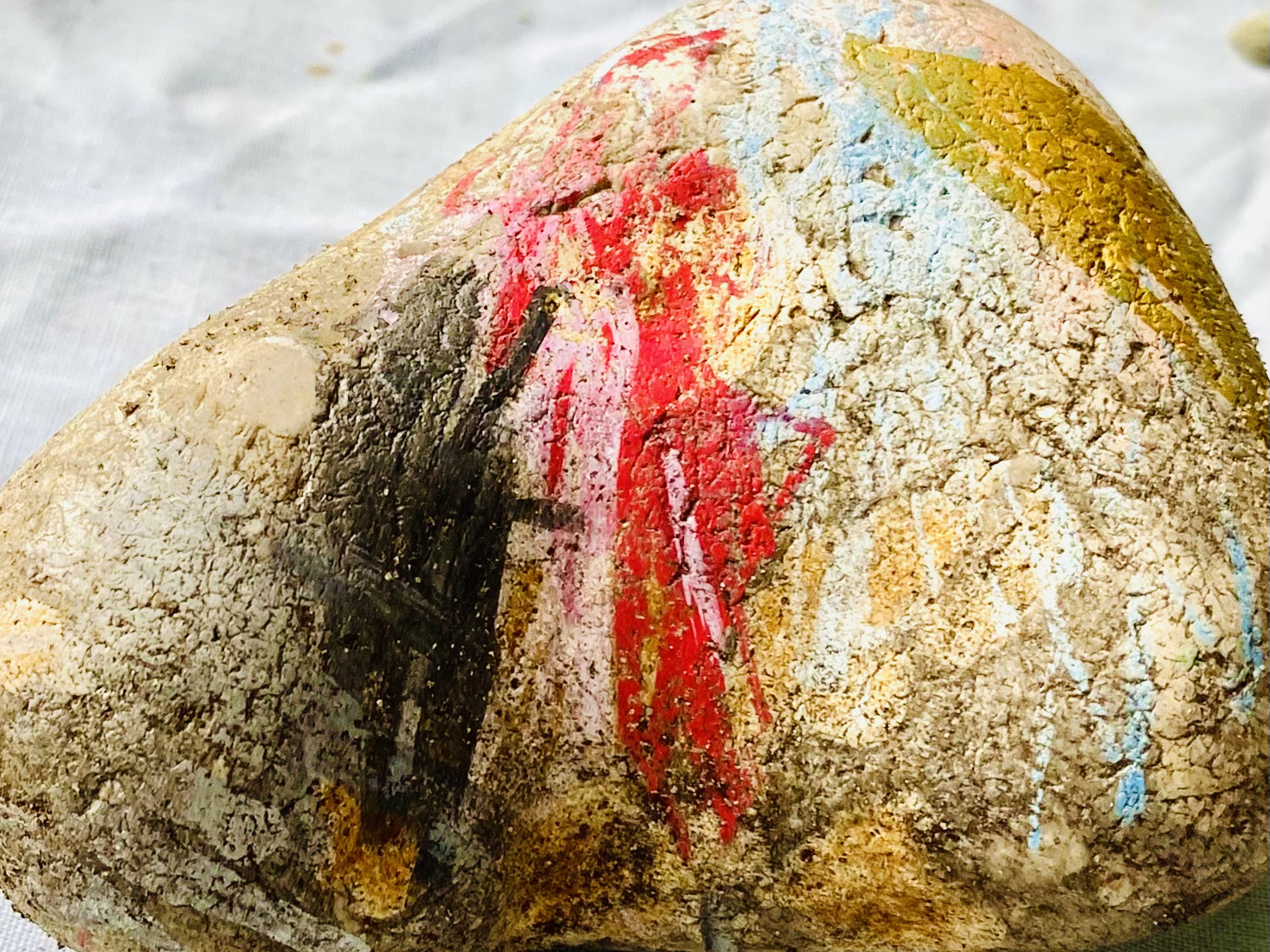
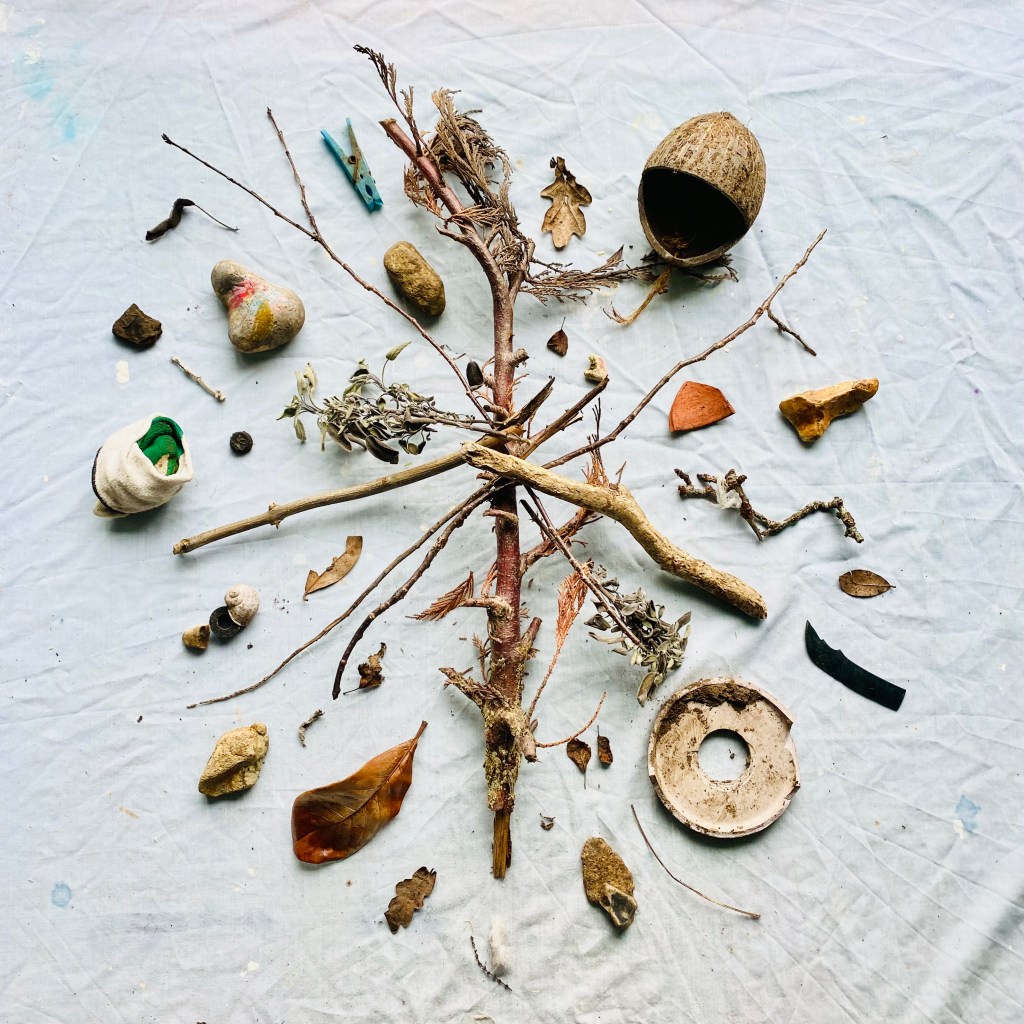
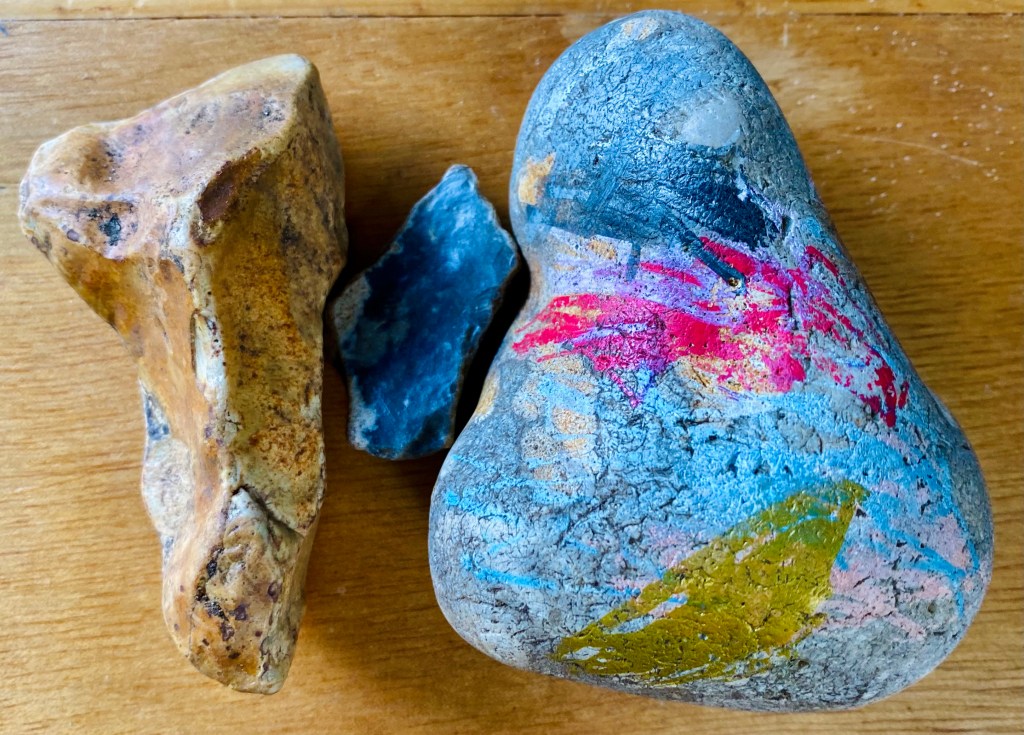
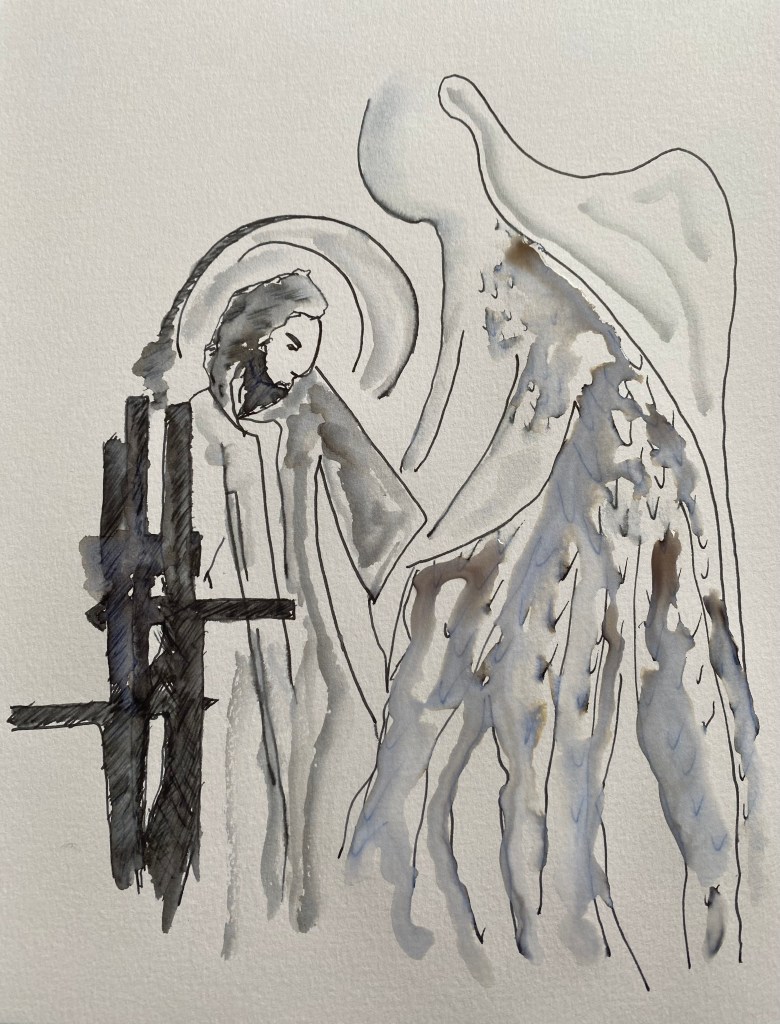
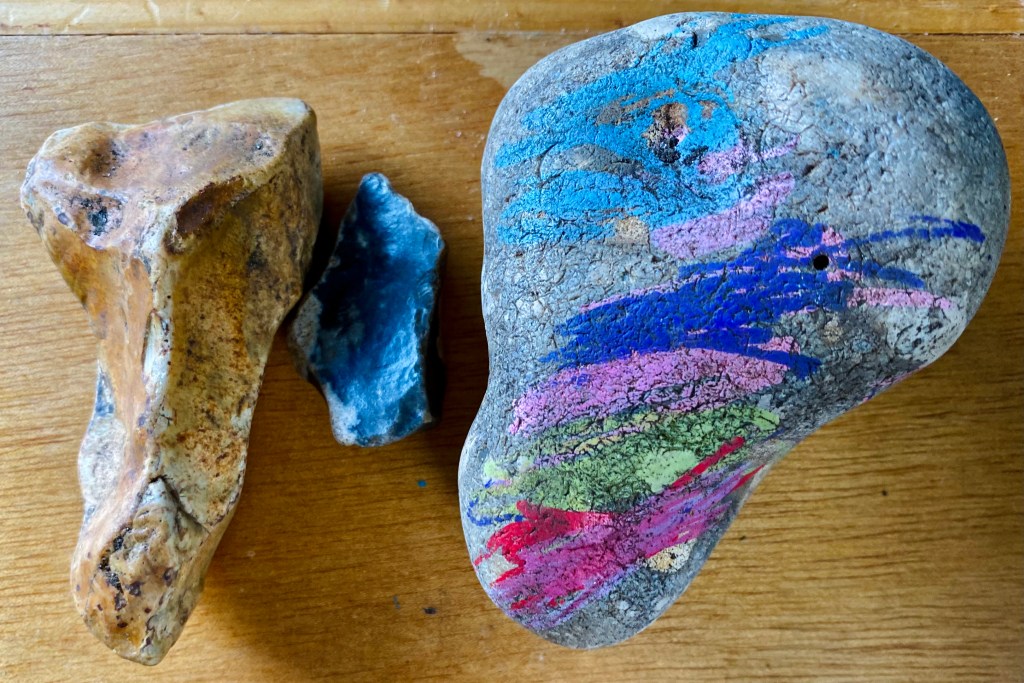




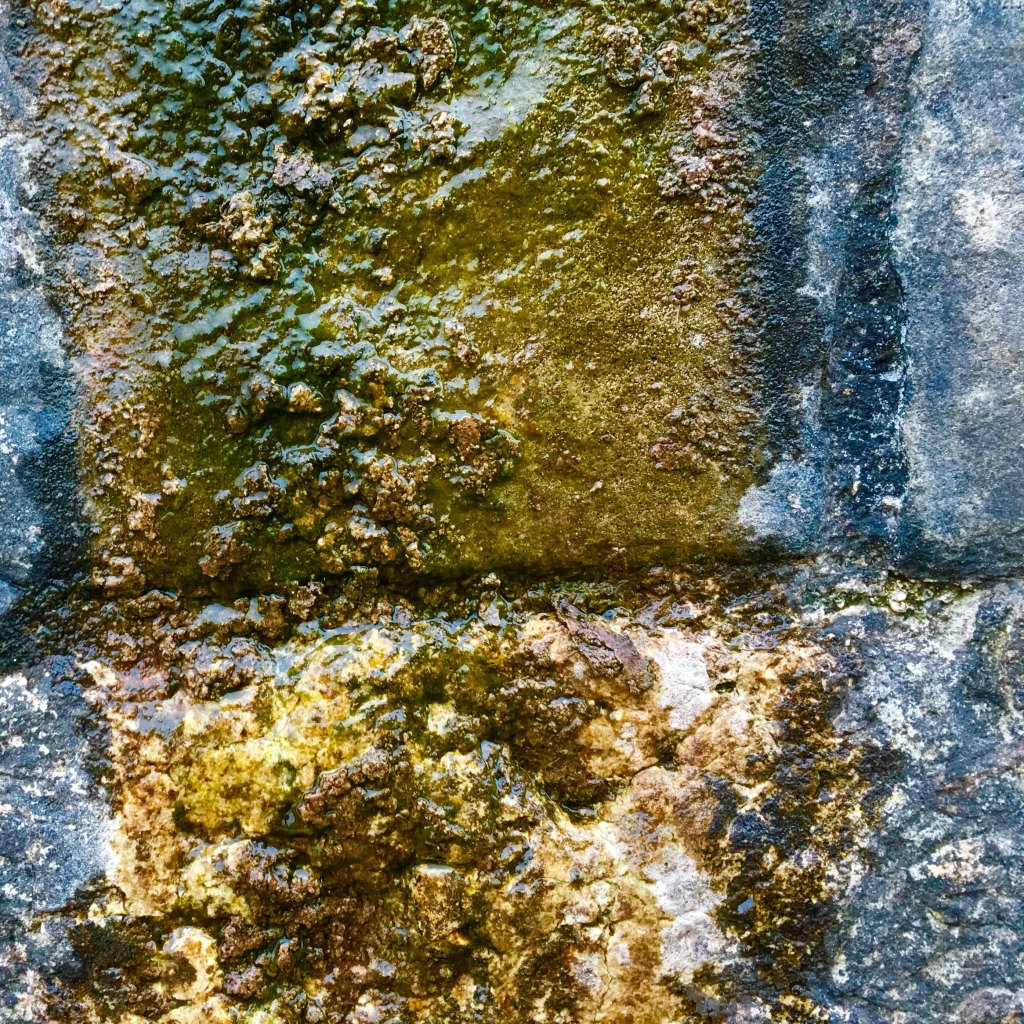


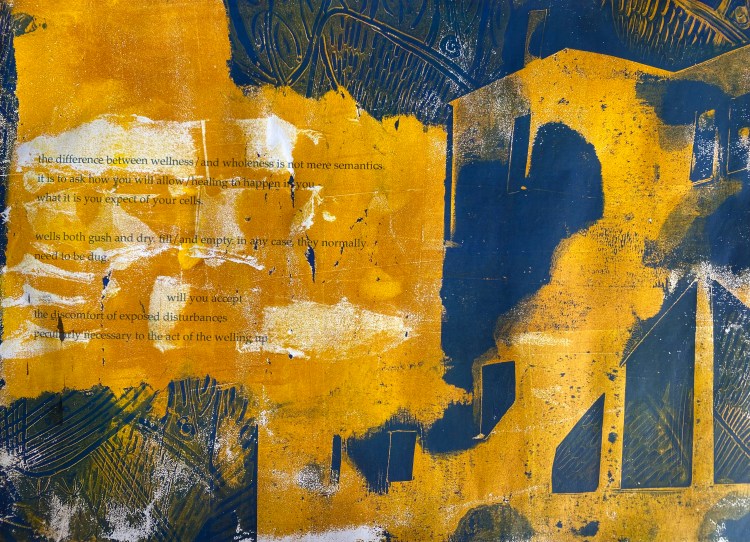
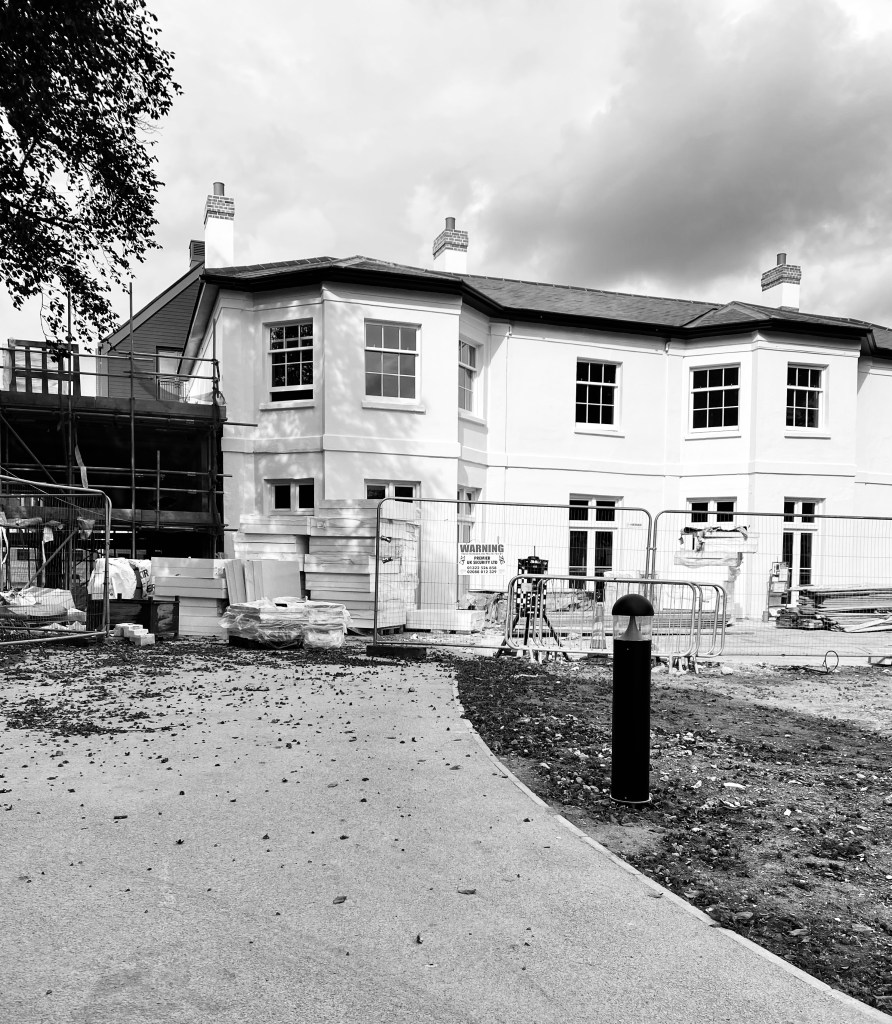

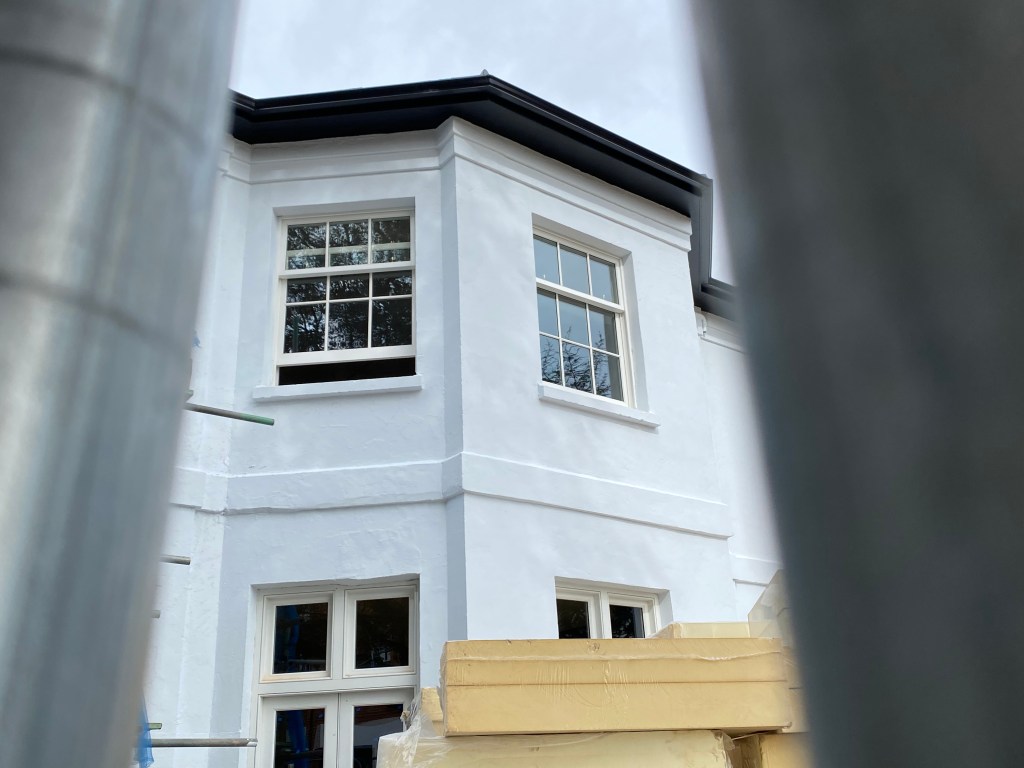
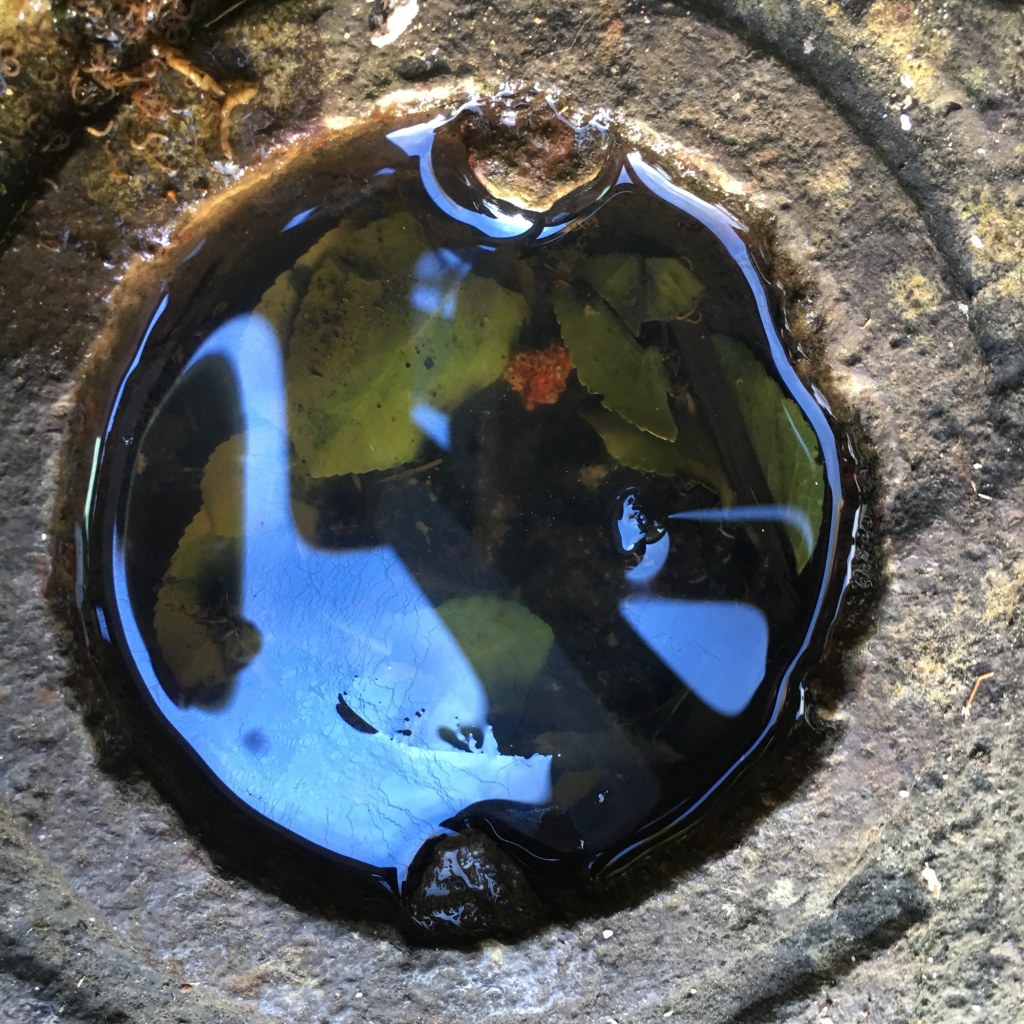


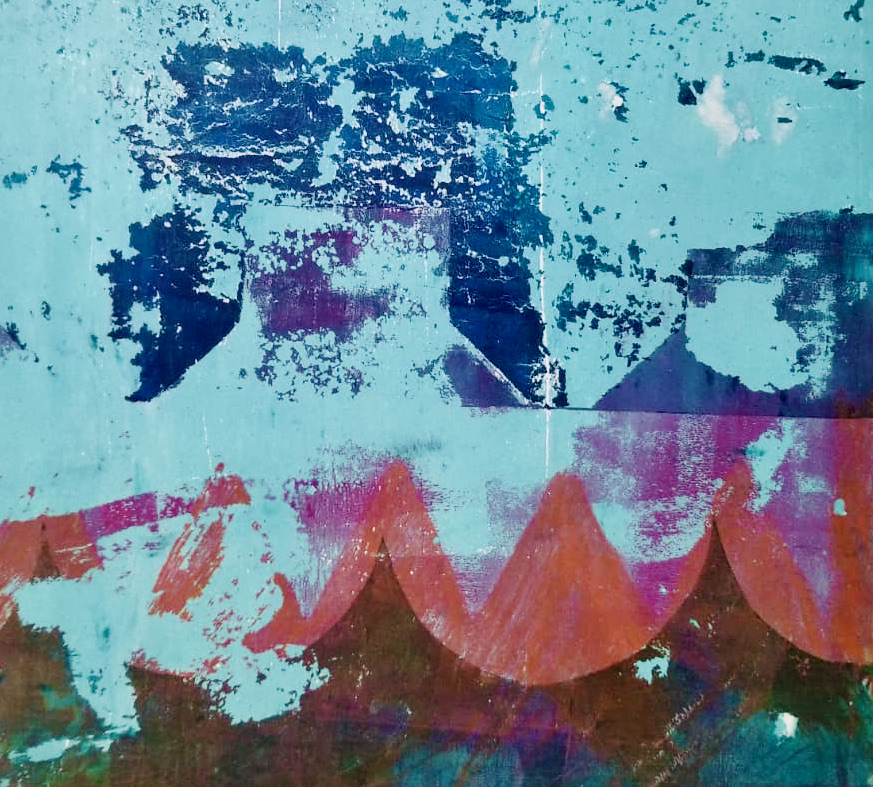


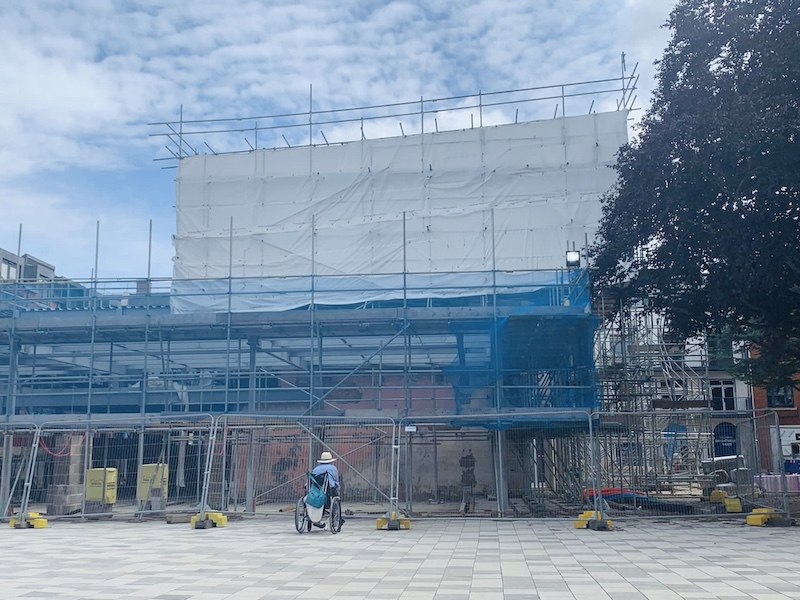


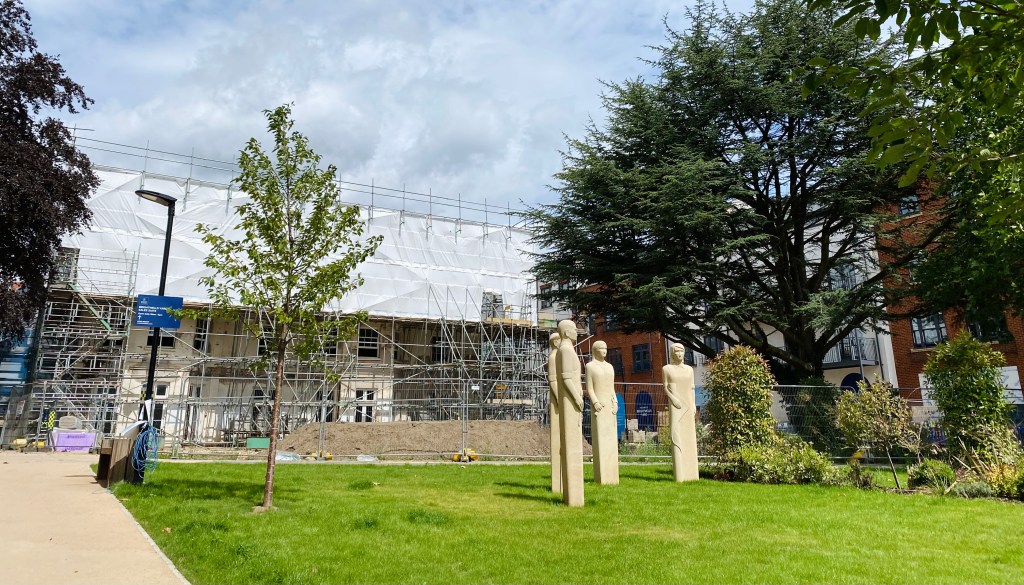


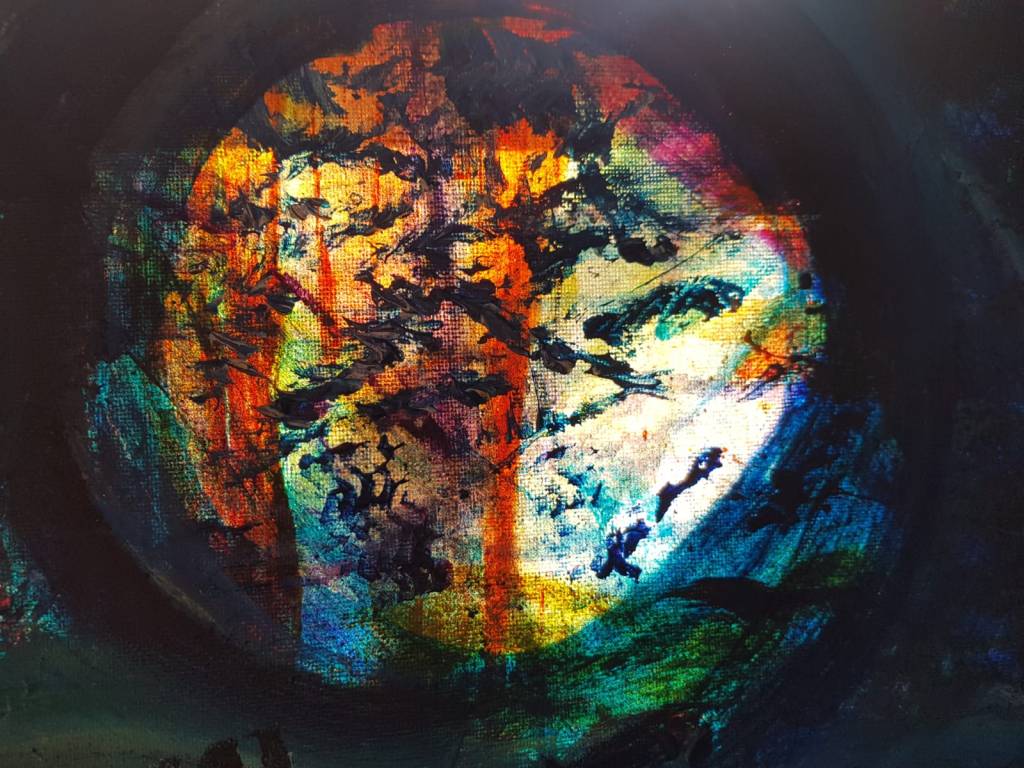


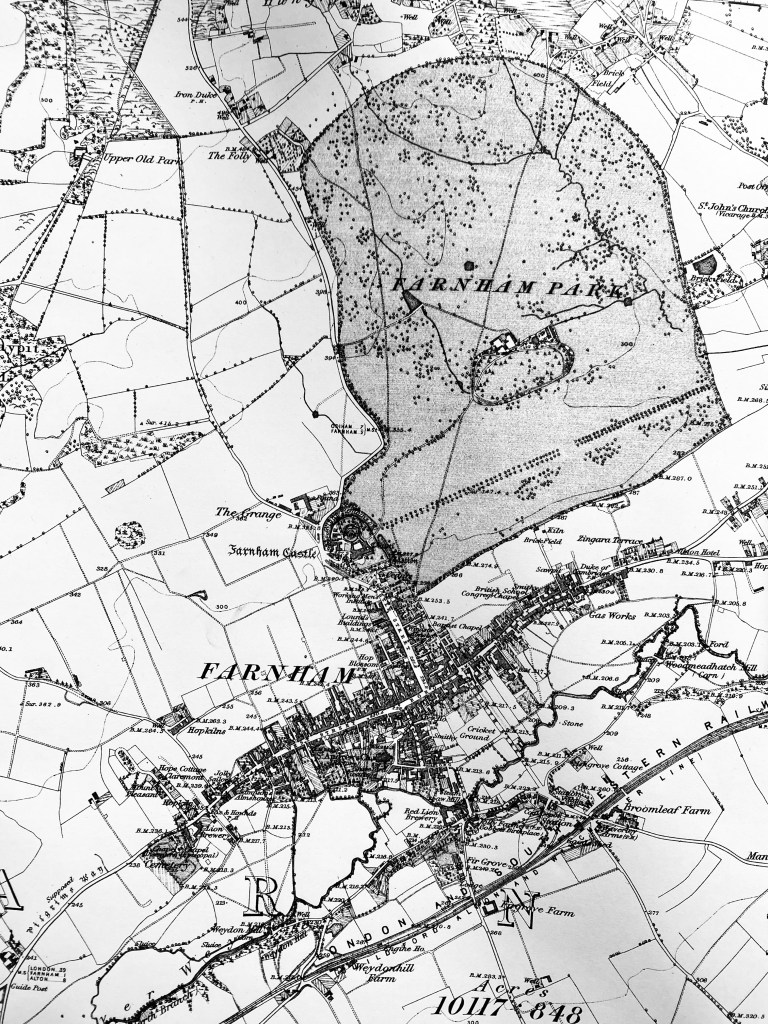
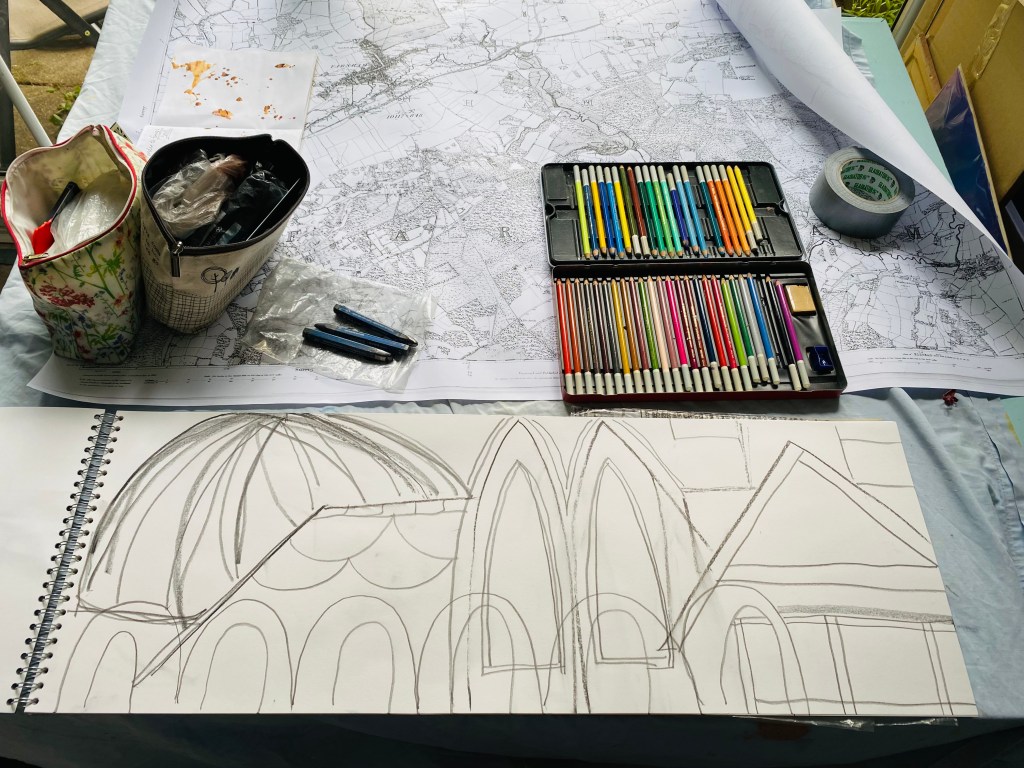
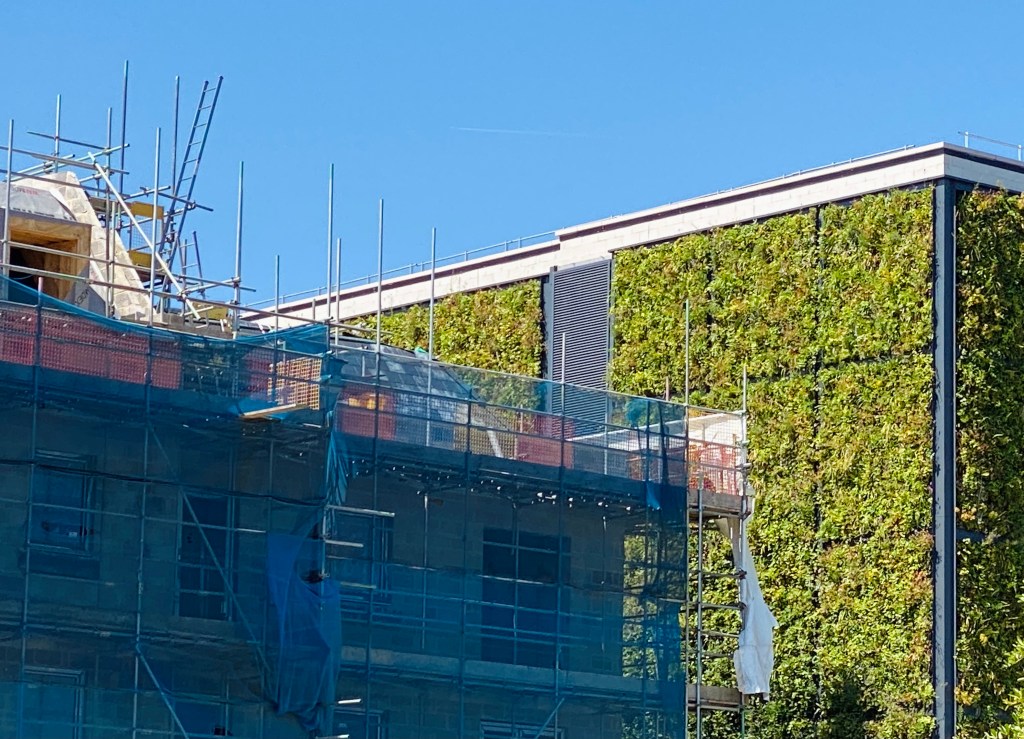


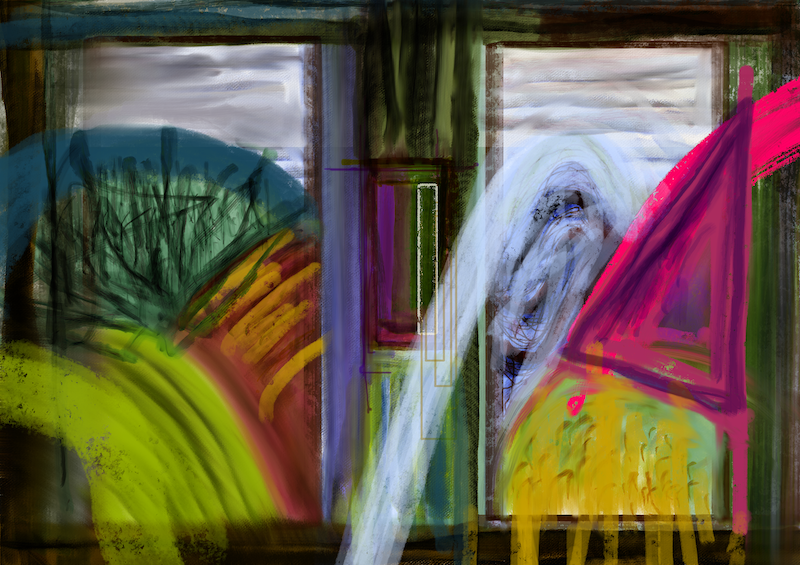


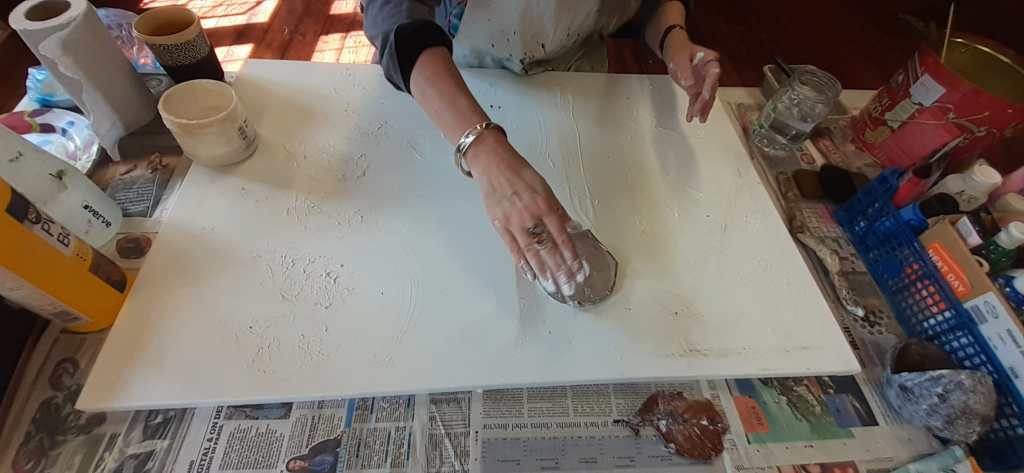
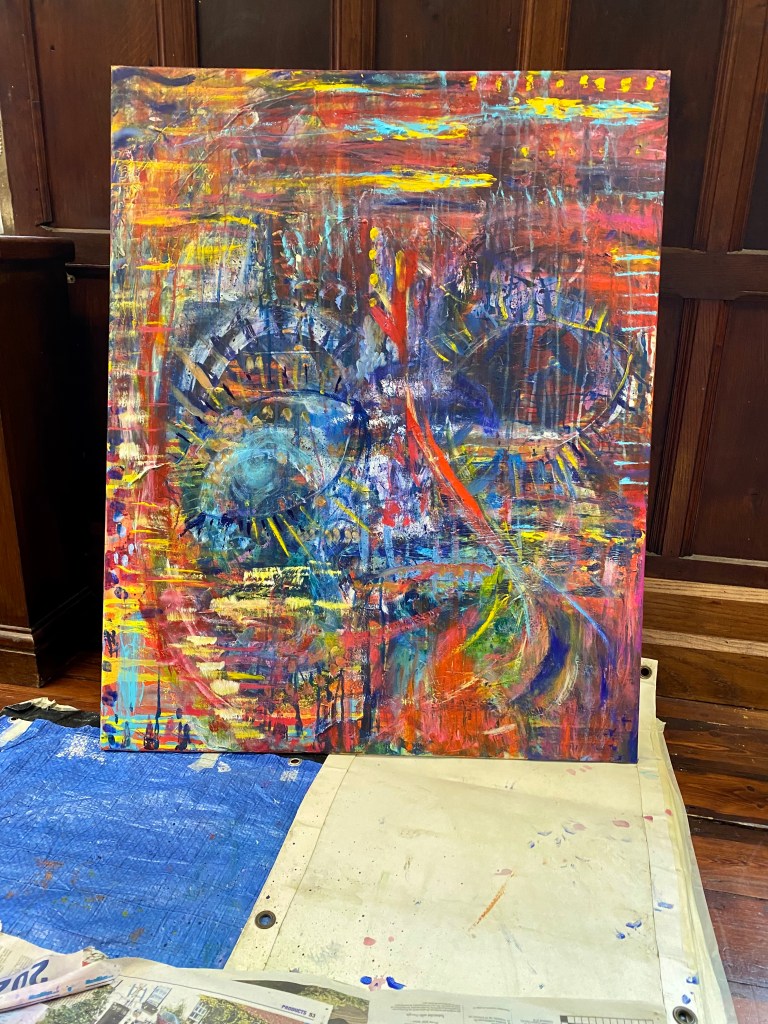



 image into ikon