Albert Szent-Gyorgyi, who knew a thing about maps,
by which life moves somewhere or other
used to tell this story from the war,
through which history moves somewhere or other.
‘The young lieutenant of a small Hungarian detachment in the Alps
sent out a reconnaissance unit into the icy wastes.
At once
it began to snow, it snowed for two days and the unit
did not return. The lieutenant suffered: he had sent
his own men to their deaths.
On the third day, however, the unit returned.
Where had they been? How did they find their way back?
Yes, they said, we considered ourselves
lost and waited for the end. Then one of us
found a map in his pocket. That reassured us.
We pitched camp, waited for the snow to stop, and then
with the map
we found our bearings.
And here we are.
The lieutenant asked to see this remarkable map
and had a good look at it. It was not a map of the Alps
but the Pyranees.’
‘Albert Sent-Gyorgi’
Miroslav Holub
The Wise-Ones have asked their question, now they have to wait for the answer. I wonder if they were impatient at the delay? Did they feel their quest was suddenly stalled? Or whether their wisdom traditions had taught them the importance of dreamspace, so they were content to wait for the wonder contained in the slow unfolding of unrushed revelations? Perhaps the opportunity to put up sore feet for a few days and be in one place was welcome relief?
In her book Rest is Resistance, Tricia Hersey asks a vital question:
What miraculous moments are you missing because you aren’t resting? (81)
Persistent, extreme fatigue is a dominant symptom of my chronic illness, so I have an ambiguous relationship to resting. It can feel like I’ve ‘lost’ half my life to the necessity of lying down, and if I’m not careful I can resent this, feeling my life has so much ‘wasted’ space in it.
But I know, too, that while I can spend the day lying down, seemingly doing nothing, that doesn’t necessarily mean I am resting. Rest is a quality. Rest is an intentional activity for it’s own sake. I do not rest, so then I can work later. Rest is the quietening of my body, mind and spirit so I can pay attention to what I otherwise might miss.
I need the slow quiet in order to survive. It is an essential part of my photographic practice – that until I rest into the moment, I cannot see what wishes to be photographed. I rush at my peril.
Rest is dynamic and creative in and of itself.
Howard Thurman writes about the wisdom of the pause – enforced or not – in this way:
It is good to make an end of movement, to come to a point of rest, a place of pause. There is some strange magic in activity, in keeping at it, in continuing to be involved in many things that excite the mind and keep the hours swiftly passing. But it is a deadly magic; one is not wise to trust it with too much confidence. The moment of pause, the point of rest, has its own magic.
Be still,
for that is where life removes its veil,
offering a tender grace
that will ease you away
from the cold chains of doing.
Be still, for only in shedding
your dead skin of busyness
can you find what it is to be free –
which is un-evaluated time,
which is gratitude
for the soft arms of existence,
that despite squeezing too tight now and then
will nonetheless hold you
until the time comes to let you go,
allowing you to dwell in that greater stillness –
the loving silence of the unknown.
‘Be Still’
Gideon Heugh, Rumours of Light (88)
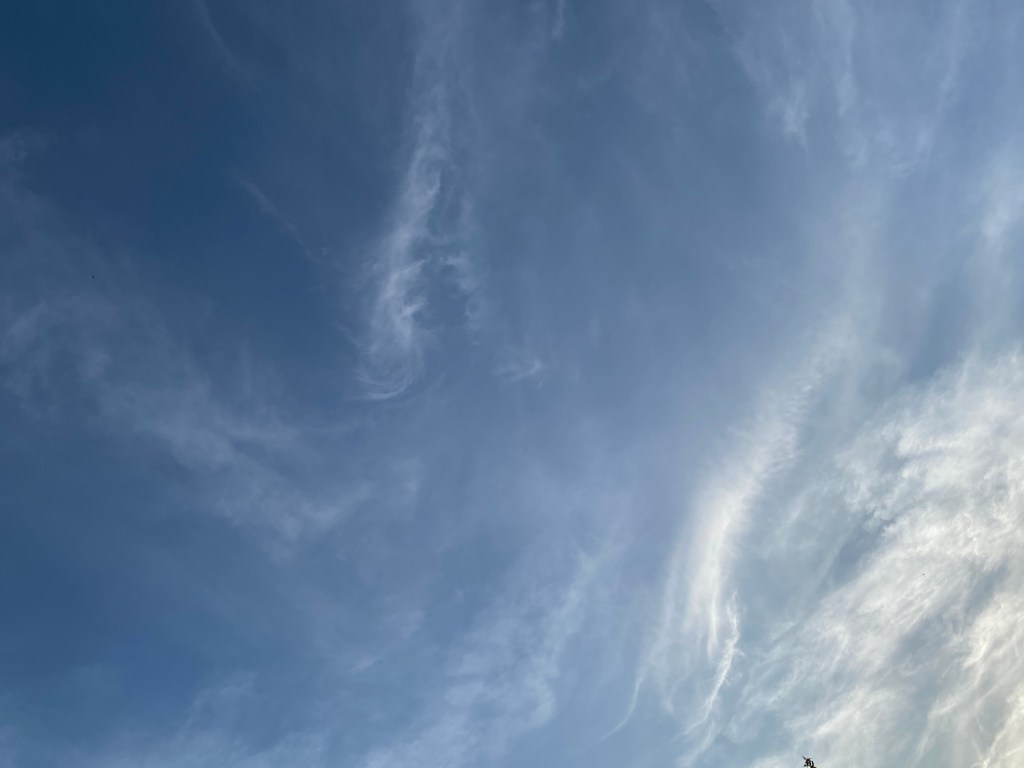

finding my bearings (iPhone images)
 image into ikon