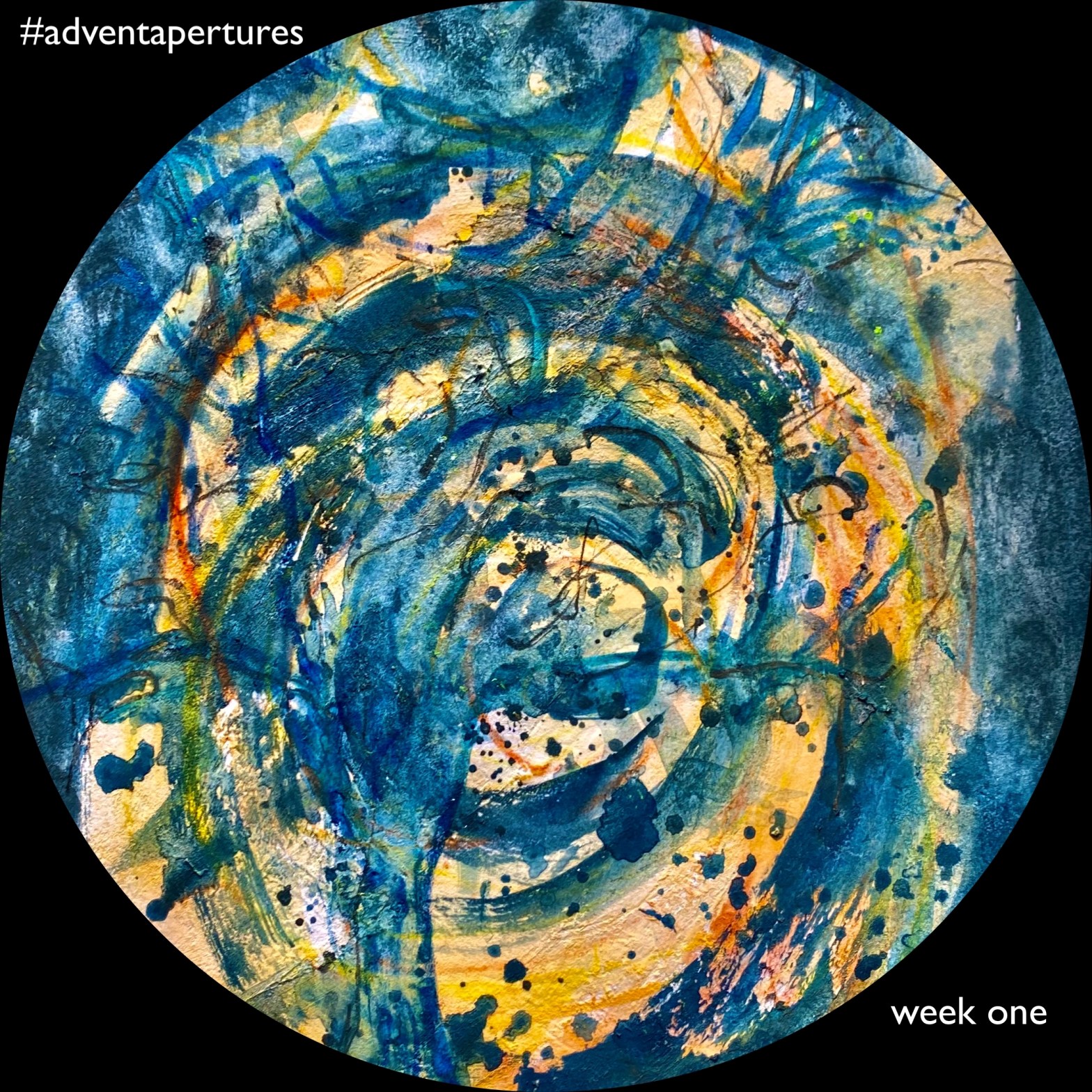
If it’s true that the universe consists of atoms and void and nothing else, then everything that exists—the sun and the moon, mother and the flag, Beethoven’s string quartets and da Vinci’s decomposing flesh—is made of the elementary particles of nature in fervent and constant motion, colliding and combining with one another in an inexhaustibly abundant variety of form and substance. No afterlife, no divine retribution or reward, nothing other than a vast turmoil of creation and destruction. Plants and animals become the stuff of human beings, the stuff of human beings food for fish. Men die not because they are sick but because they are alive.
Lewis Lapham
(Found in Tim Carpenter, To Photograph is to Learn How To Die, 220-1)
Part of my bedtime ritual includes checking the moon chart on the studio door and, as my stairlift rises, looking out of the landing window to see what stars are visible. Some of this, I suspect, is an inherited childhood memory. I remember seeing my father carrying his grandchildren to the windows to say ‘night-night’ to the stars as part of their tour of the house before bed, and I guess he did the same with my brother and I. Most nights now either cloud or light pollution stops me seeing stars, and when I do, my poor eyesight can’t distinguish clearly enough between satellites, skytrains, airplanes or even nearby galaxies. But even not knowing what I’m looking for, I still look. I still marvel as I watch matter and time move in ways beyond my puny comprehension.
Even though I repeatedly try to educate myself about stargazing with the aid of the Royal Observatory guides, brain fog means neither the science nor the names stick any more. So, if a new star was born would I ever notice?
But over two thousand years ago the Wise-Ones I am following this Advent did.
I can’t get my head around a quick definition of how a star is formed (plasma formed as nebulae debris spins itself together into knots and nuclear fission – Google knows the answers). And whilst I suppose any expert astronomer would follow the growth of a new star in their field of study, the idea of ‘following’ its path across the heavens in anything other than a theoretical way baffles me.
And I need to stay with the wonder of that bafflement. For its far too easy to jump to the attribution of the biblical star which the Wise-Ones provide at the end of their journey: they have followed the ChristStar they say. At the beginning, what could they know of it? Nothing. Despite all their knowledge, in that moment of first sight this star is a complete mystery. All the rest is to come. And across time now, in this moment, that is all there is: a dark sky and a bunch of people looking at it and discovering that something has changed, and getting curious about the anomaly.
It is the very nature of darkness to create. It cannot stop itself. Darkness has an artistic soul and a divine heart which sings and writes and paints and builds and dances beauty into being. This is the meaning of co-creation; the hand of God shaping and forming things from a void, using, in the creative process, the lives of those who have their own origins in darkness, which is every one of us.
Svalbard Journey
First Visit, 10 January 2013
After church this morning I was taken by the hand by one of the congregation and pulled outside, suddenly and urgently, where a strong strand of light was visible beyond the mountains. The sun was not yet above the horizon -and would not be for many, many days – but still its power to illuminate could not be held at bay . “Look,” I was told with not some small degree of vigour, “The light is always stronger than darkness.” After the day’s events I reflect somewhat differently. Not that the light is stronger than the darkness, but rather that light needs darkness to live – we cannot see light for what it is without the dark! Yet darkness can live alone, without light, as the fundamental state of things from which creation sprang.
Catherine Bird, The Divine Heart of Darkness, 108
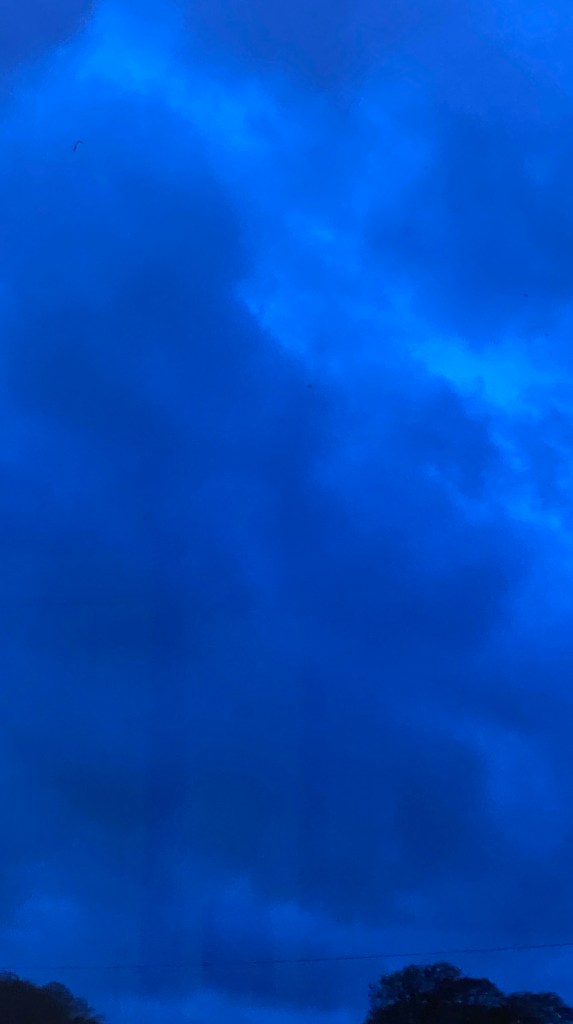
inexhaustibly abundant variety (iPhone image)
 image into ikon