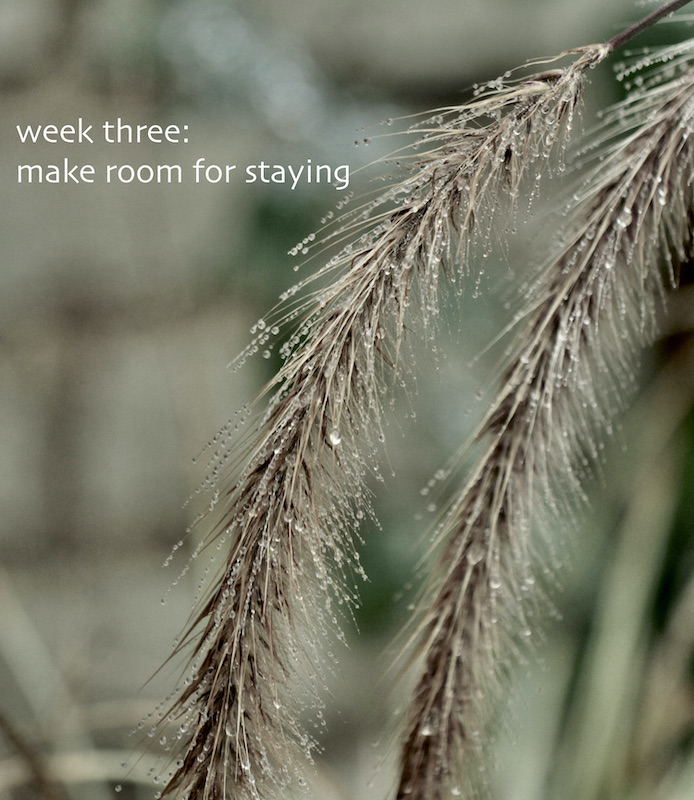
In winter, we are prone to regard our trees as cold, bare, and dreary; and we bid them wait until they are again clothed in verdure before we may accord to them comradeship. However, it is during this winter resting time that the tree stands revealed to the uttermost, ready to give its most intimate confidences to those who love it. It is indeed a superficial acquaintance that depends upon the garb worn for half the year; and to those who know them, the trees display even more individuality in the winter than in the summer. The summer is the tree’s period of reticence, when, behind its mysterious veil of green, it is so busy with its own life processes that it has no time for confidences, and may only now and then fling us a friendly greeting.
Anna Botsford-Comstock, Trees at Leisure
This is the time of year when my Seasonal Affected Disorder (SAD) is at its worst. As I’ve been writing this series here in the UK we’ve been experiencing several weeks of very heavy grey cloud, a kind of muffled blanket. It makes the quality of the light feel dirty, and there has been no relief as the days get shorter and the nights seem to begin in the middle of the afternoon.
Last Winter I collected around myself several helpful resources to help me understand how to allow myself to be ‘fallow’. One of these was an e-course from Abbey of the Arts which has just been published in book form as A Midwinter God by Christine Valters Paintner (in which one of my poems also features!). The other was an excellent book, Wintering: The Power of Rest and Retreat in Difficult Times by Katherine May. May reminded me that,
Plants and animals don’t fight the winter; they don’t pretend it’s not happening and attempt to carry on living the same lives they lived in the summer. They prepare. They adapt. They perform extraordinary acts of metamorphosis to get them through. Wintering is a time of withdrawing from the world, maximizing scant resources, carrying out acts of brutal efficiency and vanishing from sight; but that’s where the transformation occurs. Winter is not the death of the life cycle, but its crucible.
It’s a time for reflection and recuperation, for slow replenishment, for putting your house in order.
Doing these deeply unfashionable things — slowing down, letting your spare time expand, getting enough sleep, resting — is a radical act now, but it’s essential.
It sometimes feels like I do nothing but rest. But I know that often, I am not truly resting in mind, body and spirit – I am not letting go. I may be lying down in body, but my mind can churn with frustration that I’m not painting. I may try to go to sleep at a reasonable hour, but I remain unable to remember my dreams, to receive and hear their wisdom.
Pretending that it’s not happening, not being present to the need to slow down and savour, that is treating winter as my death-cycle. I need to practice a volte-face in the face of diminishing light: to see it as the gift of increasing dark, of mystery, of unknowing, of the fallow time utterly necessary to the generative cycle, to any productivity I might wish to see in my life to come. I need to welcome the pause, and see it as a time not of scarcity, but of abundant preparation.
If I am to receive nourishment from the season, from my inner life, from my body, from my dreams, I need to surrender to the need to rest in such a way that I might be replenished; that I become content to lie fallow and unproductive; that I can yield my whole being into the will of the God-Who-Is-With-Me. Then I might be able to extend such nourishment to others. For as the Japanese proverb says, ‘one kind word can warm three winter months’.
If you suddenly and unexpectedly feel joy, don’t hesitate. Give in to it. There are plenty of lives and whole towns destroyed or about to be. We are not wise, and not very often kind. And much can never be redeemed. Still, life has some possibility left. Perhaps this is its way of fighting back, that sometimes something happens better than all the riches or power in the world. It could be anything, but very likely you notice it in the instant when love begins. Anyway, that’s often the case. Anyway, whatever it is, don’t be afraid of its plenty. Joy is not made to be a crumb.
‘Don’t Hesitate’
Mary Oliver
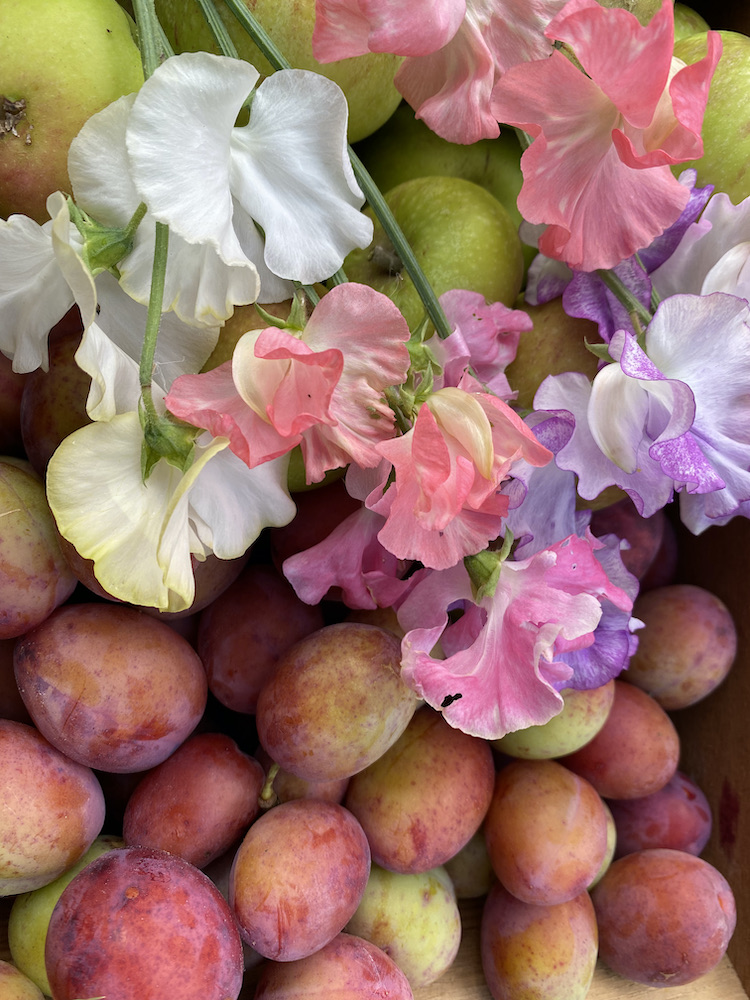
joy is not made to be a crumb. (iPhone image)
 image into ikon